
Let’s talk about emerging digital technologies—not in a complicated, technical way, but like a real conversation. You’ve probably heard this phrase many times, especially when people talk about the future, innovation, or digital transformation. But what does it actually mean, and why should you care?
Simply put, emerging digital technologies are new or rapidly developing technologies that use digital systems to improve how we live, work, and interact with the world. Some of them are already part of your daily routine, while others are still evolving but have the potential to change everything.
Understanding Emerging Digital Technologies
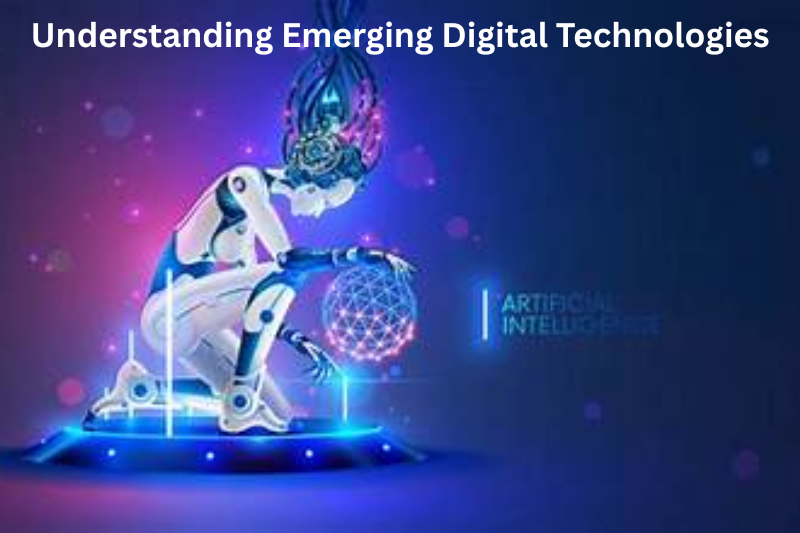
Emerging digital technologies are not just upgrades of existing tools. They introduce new ways of solving problems, making decisions, and connecting people. These technologies often rely on data, automation, artificial intelligence, and the internet to deliver smarter and faster results.
What makes emerging digital technologies special is their impact. They don’t just affect one industry—they influence healthcare, education, business, entertainment, communication, and even government services.
Major Emerging Digital Technologies Shaping the World
Artificial Intelligence (AI)
Artificial Intelligence is one of the most powerful emerging digital technologies today. AI enables machines to think, learn from experience, and make decisions with minimal human involvement.
You encounter AI more often than you realize. It powers search engines, recommendation systems, virtual assistants, customer support chatbots, and even medical diagnosis tools. AI helps organizations analyze massive amounts of data quickly and accurately, something humans simply cannot do at the same scale.
As AI continues to evolve, it is becoming less about replacing humans and more about assisting them in making better decisions.
Internet of Things (IoT)
The Internet of Things refers to physical devices connected to the internet that can collect and exchange data. These include smart home devices, wearable fitness trackers, connected cars, and industrial sensors.
Among emerging digital technologies, IoT stands out because it connects the digital world with real-life objects. It allows systems to monitor environments, predict problems, and automate tasks without human intervention.
For example, smart cities use IoT to manage traffic, energy consumption, and public safety more efficiently.
Blockchain Technology
Blockchain is another important emerging digital technology, especially when it comes to security and transparency. It is a decentralized system that records transactions in a way that is very difficult to alter or hack.
While blockchain is widely known for cryptocurrencies, its applications go far beyond digital money. It is being used in supply chain management, digital identity verification, voting systems, and secure data sharing.
Blockchain builds trust by ensuring that information is accurate, transparent, and tamper-proof.
Cloud Computing
Cloud computing has quietly become one of the most essential emerging digital technologies. It allows users to store data, access applications, and run software over the internet instead of relying on physical hardware.
Businesses use cloud computing to scale operations, reduce costs, and support remote work. Individuals rely on it for file storage, collaboration, and streaming services.
The cloud makes technology more accessible, flexible, and cost-effective for everyone.
Augmented Reality (AR) and Virtual Reality (VR)
Augmented Reality and Virtual Reality are emerging digital technologies that change how we experience digital content.
Augmented Reality enhances the real world by adding digital elements, while Virtual Reality creates a completely immersive digital environment. These technologies are widely used in gaming, education, healthcare training, real estate, and online shopping.
They are making learning more interactive and experiences more engaging than ever before.
Benefits of Emerging Digital Technologies
Emerging digital technologies offer numerous advantages that improve both personal and professional life.
One major benefit is increased efficiency. Automation and intelligent systems reduce manual work and speed up processes. Tasks that once took hours can now be completed in minutes.
Another key benefit is better decision-making. Technologies like AI and data analytics provide insights based on real-time data, helping organizations and individuals make informed choices.
Emerging digital technologies also create new job opportunities. While some traditional roles may decline, new careers in data science, cybersecurity, digital marketing, and AI development are rapidly growing.
They also improve accessibility. Online learning platforms, digital healthcare services, and remote work tools allow people to access opportunities regardless of location.
Drawbacks of Emerging Digital Technologies
Despite their advantages, emerging digital technologies also come with challenges.
One major concern is data privacy. As more data is collected and stored digitally, the risk of data misuse and breaches increases. Protecting personal information has become a serious issue.
Another drawback is cybersecurity risk. Advanced technologies can be targeted by hackers, leading to financial loss, identity theft, or system failures.
Job displacement is also a concern. Automation and AI may reduce the need for certain types of jobs, especially repetitive or manual roles. This creates a need for reskilling and continuous learning.
Finally, there is the digital divide. Not everyone has equal access to emerging digital technologies due to cost, infrastructure, or lack of digital literacy. This gap can increase inequality if not addressed.
You may also like to read these posts:
Why Emerging Digital Technologies Matter for the Future
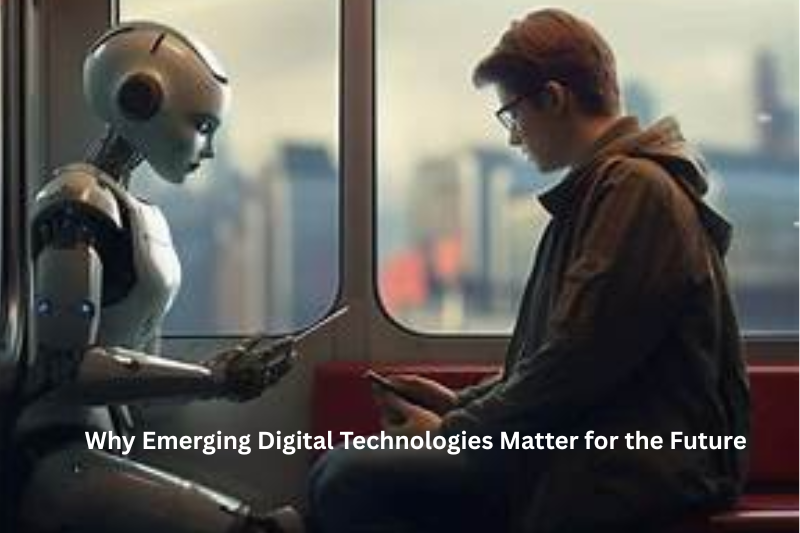
Emerging digital technologies are not just trends; they are long-term drivers of change. They influence how businesses compete, how governments deliver services, and how individuals plan their careers.
Understanding these technologies helps people stay relevant in a fast-changing world. Those who adapt, learn new skills, and embrace digital tools will have a significant advantage in the future.
Conclusion
Emerging digital technologies are reshaping the world in ways we are only beginning to understand. They offer powerful benefits such as efficiency, innovation, and global connectivity, but they also bring challenges that require careful management.
The key is not to fear emerging digital technologies, but to understand them. By staying informed and adaptable, anyone can benefit from the digital future that is unfolding right in front of us.
FAQs on Emerging Digital Technologies
1. What are emerging digital technologies?
Answer: Emerging digital technologies are new or rapidly developing technologies that use digital systems, data, and connectivity to improve how we live, work, and interact. They often introduce innovative solutions rather than simply upgrading existing tools.
2. Can you give examples of emerging digital technologies?
Answer: Yes! Some of the most important examples include:
Artificial Intelligence (AI): Machines that learn, make decisions, and assist humans.
Internet of Things (IoT): Devices connected to the internet, like smart homes and wearables.
Blockchain: A secure and transparent way to record transactions.
Cloud Computing: Accessing data and applications over the internet instead of on a local device.
Augmented Reality (AR) & Virtual Reality (VR): Technologies that enhance or create immersive digital experiences.
3. How do emerging digital technologies benefit us?
Answer: They bring many advantages, including:
Increased efficiency and productivity
Better decision-making through data and analytics
Creation of new job opportunities
Improved accessibility to services, education, and information
Enhanced communication and connectivity
4. What are the drawbacks or challenges?
Answer: Some challenges include:
Data privacy concerns and potential misuse of information
Cybersecurity risks from hacking or system failures
Job displacement due to automation
Unequal access to technology, known as the digital divide
5. Are emerging digital technologies safe to use?
Answer: Generally, yes, but safety depends on responsible use and proper security measures. Organizations and individuals need to follow cybersecurity best practices, protect personal data, and stay informed about technology risks.