
Introduction
Storage Management Tips can make a major difference in how efficiently you organize, preserve, and use food at home. Good food storage is not simply about putting items into cupboards or a refrigerator. It involves choosing suitable storage conditions, keeping food organized, monitoring freshness, preventing cross-contamination, and using older items before newer ones.
Whether you manage a small kitchen, a busy family pantry, or a larger household food supply, a practical storage system can help you find ingredients faster and avoid unnecessary waste.
This guide explains useful food storage management tips, including pantry organization, refrigerator storage, labeling, containers, temperature control, food rotation, common mistakes, and simple habits that make everyday kitchen management easier.
What Is Food Storage Management?
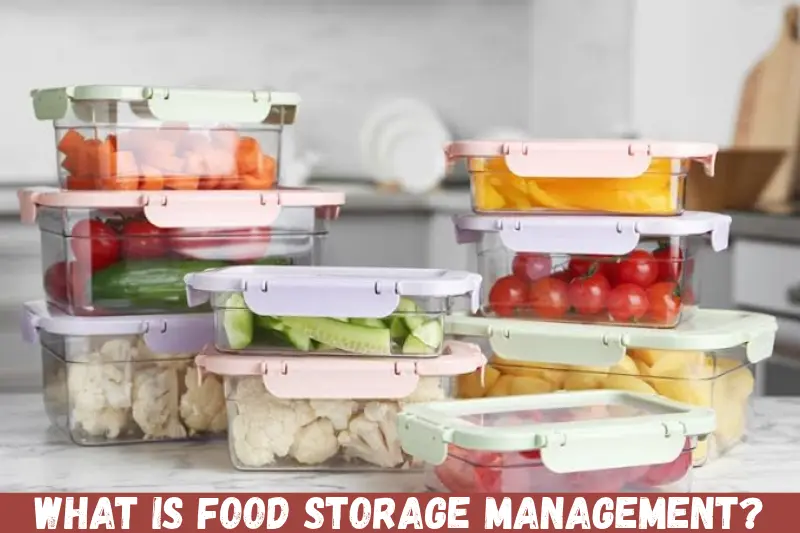
Food storage management is the organized process of storing, arranging, labeling, monitoring, and using food in a way that supports quality and food safety.
An effective system considers several factors:
- Storage temperature
- Food type
- Shelf life
- Packaging
- Moisture and humidity
- Exposure to air and light
- Expiration or use-by information
- Cross-contamination risks
- Frequency of use
The goal is not to store the maximum amount of food. The goal is to store food safely, efficiently, and in a way that makes it easy to use before quality declines.
Why Are Storage Management Tips Important?
Proper storage can help maintain food quality, improve kitchen organization, and reduce avoidable waste. It can also make meal preparation easier because ingredients are easier to locate and monitor.
Here are some practical benefits:
Better Food Organization
A well-organized pantry and refrigerator make it easier to see what you already have. This can reduce duplicate purchases and make grocery planning more straightforward.
Improved Food Safety
Correct storage conditions help reduce the opportunity for harmful microorganisms to multiply. Separating raw foods from ready-to-eat foods is also important for reducing cross-contamination.
Less Food Waste
When foods are visible, dated, and rotated properly, they are less likely to be forgotten at the back of a cupboard or refrigerator.
Easier Meal Planning
Knowing what is available can help you build meals around ingredients that need to be used soon.
More Efficient Kitchen Management
Consistent storage systems save time because household members know where different foods belong.
1. Organize Your Pantry by Food Category
One of the simplest storage management tips is to divide pantry items into logical categories.
Instead of arranging products randomly, group similar foods together.
For example:
- Rice, pasta, and grains
- Flour and baking ingredients
- Canned vegetables
- Canned beans and legumes
- Breakfast foods
- Snacks
- Spices and seasonings
- Cooking oils
- Sauces and condiments
- Tea and coffee
Frequently used ingredients should be placed where they are easy to reach.
Less frequently used products can go on higher or less accessible shelves.
Use the First-In, First-Out Method
The FIFO method, meaning “first in, first out,” is useful for food storage. Place older suitable items toward the front and newer purchases behind them.
For example, if you already have a bag of rice and purchase another one, move the older bag forward rather than placing the new bag in front.
This simple habit makes it easier to use older products first.
2. Choose the Right Food Storage Containers
The right container can help protect food from moisture, air, pests, and accidental spills.
For dry foods, airtight containers are often useful. They can be especially practical for products such as:
- Flour
- Rice
- Pasta
- Cereals
- Sugar
- Dried beans
- Nuts
- Seeds
Choose containers that are food-safe and appropriate for the intended storage conditions.
Transparent containers can also make inventory management easier because you can see how much food remains.
Avoid Overfilling Containers
Containers should not be packed so tightly that you cannot easily identify the contents or clean them properly.
Leave enough room to handle the food comfortably and maintain the container without spills.
3. Label Food Clearly
Labels are one of the most useful storage management tools, especially when food is transferred from its original packaging.
A useful label can include:
- Food name
- Date stored or opened
- Relevant preparation information
- Special instructions when necessary
For prepared foods, labeling the storage date can make it easier to monitor how long they have been refrigerated or frozen.
Keep Labels Easy to Read
Use simple, consistent labels. If several people use the kitchen, everyone should understand the system without needing special instructions.
4. Keep Your Refrigerator Organized
A refrigerator should not be treated as one large storage area where everything can be placed anywhere.
Different foods may require different storage conditions, and the arrangement should also help prevent contamination.
Keep raw foods separated from ready-to-eat foods. Store foods in suitable covered containers when appropriate, and clean spills promptly.
Check Your Refrigerator Regularly
Make refrigerator checks part of your weekly routine.
Look for:
- Food that needs to be used soon
- Opened packages
- Spills
- Damaged containers
- Unidentified leftovers
- Foods approaching their recommended storage limits
A quick weekly check can prevent small problems from becoming bigger ones.
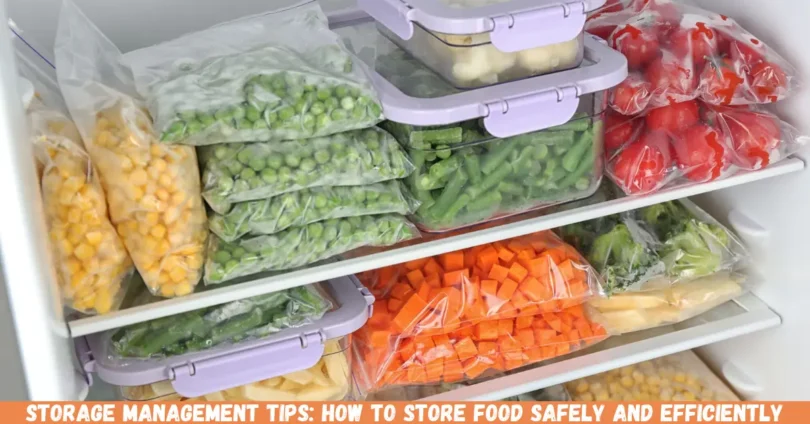
5. Manage Freezer Storage Efficiently
Freezing can be an effective way to extend the useful life of many foods, but organization still matters.
Use freezer-safe packaging and containers suitable for freezing. Remove excess air from appropriate packaging where practical to help protect food quality.
Label frozen foods with the name and storage date.
Avoid an Overcrowded Freezer
An extremely crowded freezer can make organization difficult and may interfere with efficient air circulation.
Create sections for different categories, such as:
- Meat and poultry
- Fish and seafood
- Vegetables
- Fruit
- Prepared meals
- Bread and baked goods
The exact arrangement can vary according to the foods you regularly store.
6. Store Dry Foods in Suitable Conditions
Dry foods generally benefit from a clean, dry storage environment.
Protect dry goods from:
- Excess moisture
- Heat
- Direct sunlight
- Pests
- Strong odors
Keep products in their original packaging when it provides appropriate protection, or transfer them to suitable food-safe containers when necessary.
Check for Signs of Deterioration
Before using stored dry foods, inspect them for unusual odors, visible mold, moisture damage, insect activity, or damaged packaging.
When in doubt about the safety of a food, avoid tasting it to determine whether it is safe.
7. Keep Raw and Ready-to-Eat Foods Separate
Preventing cross-contamination is an important part of food storage management.
Raw meat, poultry, and seafood should be kept separate from foods that are ready to eat. Use appropriate containers to prevent juices from leaking onto other foods.
This principle applies inside the refrigerator, during food preparation, and when transporting food.
Why Separation Matters
Raw foods can contain harmful microorganisms. If those microorganisms transfer to ready-to-eat foods, they can create a food-safety risk.
Simple separation practices can significantly reduce this risk.
8. Monitor Food Dates Correctly
Food dates can be confusing because different labels serve different purposes depending on the country and product.
Do not automatically assume that every date printed on food packaging means the food becomes unsafe immediately after that date.
Pay attention to the wording on the package and follow manufacturer storage instructions.
For opened products, also consider how long the product has been open and whether it has been stored correctly.
Create a “Use Soon” Area
A small section of your refrigerator or pantry can be dedicated to foods that need attention soon.
For example, you might place:
- Opened ingredients
- Leftovers
- Produce that is becoming ripe
- Products nearing the end of their recommended storage period
This makes food that needs attention more visible.
9. Avoid Storing Too Much Food
Buying large quantities can seem economical, but bulk purchasing is not always beneficial.
Before buying extra food, ask:
- Do I regularly use this product?
- Do I have enough storage space?
- Can I use it before its quality declines?
- Do I have suitable containers?
- Is the quantity realistic for my household?
Buying according to actual consumption can make storage management much easier.
10. Create a Weekly Storage Check
A short weekly inspection can keep your entire food storage system under control.
A Simple Weekly Routine
Step 1: Check the refrigerator.
Identify leftovers and foods that need to be used soon.
Step 2: Check the pantry.
Look for opened packages, low-stock staples, and products that have been pushed toward the back.
Step 3: Check the freezer.
Group similar foods and identify older frozen items.
Step 4: Clean problem areas.
Wipe shelves, remove spills, and clean containers when necessary.
Step 5: Update your shopping list.
Only add products you genuinely need.
This routine does not have to take long. Consistency matters more than complexity.
11. Keep Frequently Used Foods Accessible
Good organization should reflect your daily habits.
If you use rice every day, keep it somewhere convenient. If you rarely use a specialty ingredient, it can occupy a less accessible area.
A practical storage system considers frequency of use, not just appearance.
You can divide storage areas into:
- Daily-use foods
- Weekly-use foods
- Occasional-use foods
- Backup supplies
This can make cooking and grocery planning faster.
12. Use Storage Space Vertically
Small kitchens can benefit from vertical organization.
Adjustable shelves, stackable containers, and suitable shelf organizers can help make better use of available space.
However, avoid creating unstable stacks or placing heavy containers where they could fall.
The goal is to increase usable space without making food difficult or unsafe to access.
13. Keep Your Storage Areas Clean
Clean storage areas are essential for good kitchen hygiene.
Regularly:
- Wipe shelves
- Clean refrigerator spills
- Wash reusable containers
- Check corners for crumbs
- Inspect pantry areas for pests
- Remove damaged packaging
Cleaning also gives you an opportunity to check what you have stored.
Common Food Storage Mistakes to Avoid
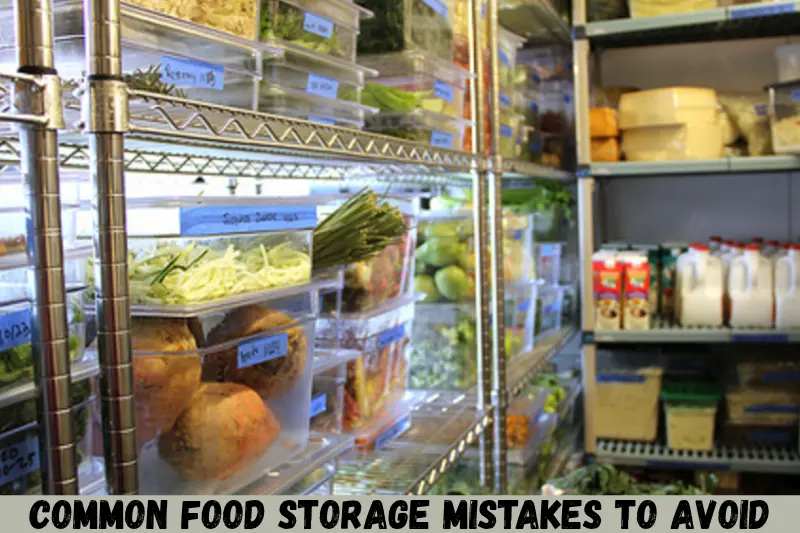
Even a well-organized kitchen can develop inefficient habits. Some common mistakes include:
Storing Food Without Labels
Unlabeled leftovers and transferred ingredients can quickly become difficult to identify.
Ignoring Storage Instructions
Always pay attention to product-specific instructions, especially after opening.
Mixing New and Old Food
Adding new products in front of older ones can make older food easy to forget.
Overcrowding Storage Areas
Too many items make it difficult to inspect food, clean shelves, and maintain an organized system.
Keeping Damaged Packaging
Torn, leaking, swollen, or otherwise compromised packaging should be handled carefully rather than simply returned to storage.
Guessing Whether Questionable Food Is Safe
Smell and appearance cannot always identify harmful microorganisms. When there is a genuine food-safety concern, follow reliable food-safety guidance rather than relying only on taste or appearance.
Storage Management Tips for Different Food Areas
| Storage Area | Main Goal | Useful Practice |
|---|---|---|
| Pantry | Protect dry foods | Use clean, suitable containers |
| Refrigerator | Maintain quality and safety | Separate raw and ready-to-eat foods |
| Freezer | Preserve foods for longer storage | Label and date frozen items |
| Countertop | Store suitable foods conveniently | Avoid unnecessary heat and sunlight |
| Cabinets | Organize packaged foods | Group products by category |
The exact storage method should always depend on the type of food and its packaging instructions.
A Simple Food Storage Management System
If you want a straightforward system, use these five principles:
1. See It
Keep food visible enough that you know what you have.
2. Sort It
Group similar products together.
3. Label It
Mark transferred foods and prepared foods clearly.
4. Rotate It
Use suitable older products before newer ones.
5. Check It
Review your storage areas regularly.
These five habits can turn food storage from a messy task into a manageable routine.
How to Improve Storage Management in a Small Kitchen
Limited space does not necessarily mean poor organization.
Start by removing products you no longer need or cannot reasonably use. Then group remaining foods according to category and frequency of use.
Use stackable, appropriately sized containers where helpful, but avoid buying organizational products before determining what your actual storage problem is.
A small kitchen often benefits more from simple categorization and regular rotation than from complicated storage accessories.
Benefits and Limitations of Organized Food Storage
Benefits
Effective storage management can:
- Make ingredients easier to find
- Support better food hygiene
- Reduce unnecessary duplicate purchases
- Help you notice foods that need to be used
- Make meal preparation easier
- Improve use of available kitchen space
Limitations
Organization alone cannot make unsafe food safe.
A perfectly arranged refrigerator cannot compensate for incorrect temperatures, damaged packaging, poor hygiene, or inappropriate storage practices.
Food type, packaging, temperature, preparation method, and local food-safety guidance all matter.
Frequently Asked Questions
What are the most important storage management tips for food?
The most important practices are keeping foods at appropriate temperatures, separating raw and ready-to-eat foods, using suitable containers, labeling stored foods, rotating older items, and checking storage areas regularly. Good organization should support food safety as well as convenience.
How can storage management reduce food waste?
Storage management makes food easier to see, identify, and use before quality declines. Labeling, FIFO rotation, weekly checks, and maintaining a “use soon” section can help prevent forgotten foods. Planning purchases around actual household consumption can also reduce unnecessary accumulation.
What is the FIFO method in food storage?
FIFO stands for “first in, first out.” It means placing older suitable food toward the front and newer purchases behind it so older items are more likely to be used first. FIFO is particularly useful for pantry organization and can also help manage other food storage areas.
Should all food be stored in airtight containers?
No. Airtight containers are useful for many dry foods, but they are not automatically appropriate for every food or storage situation. Always consider the food type, moisture level, temperature, packaging instructions, and intended storage period before choosing a container.
How often should I organize my food storage?
A brief check every week is practical for many households. You do not need to completely reorganize your kitchen every week. Instead, inspect the refrigerator, pantry, and freezer, rotate suitable older foods, remove obvious problems, and update your shopping list.
Conclusion
Storage Management Tips are most effective when they become simple everyday habits rather than complicated organizational projects. Group similar foods, use suitable containers, label stored items, rotate older products, separate raw and ready-to-eat foods, and regularly inspect your refrigerator, freezer, and pantry.
The best storage system is one that fits your household and makes food easy to identify, access, and use safely.
As a practical next step, choose one storage area today—such as your pantry or refrigerator—and spend a few minutes sorting it into clear categories. Then maintain that system with a short weekly check.