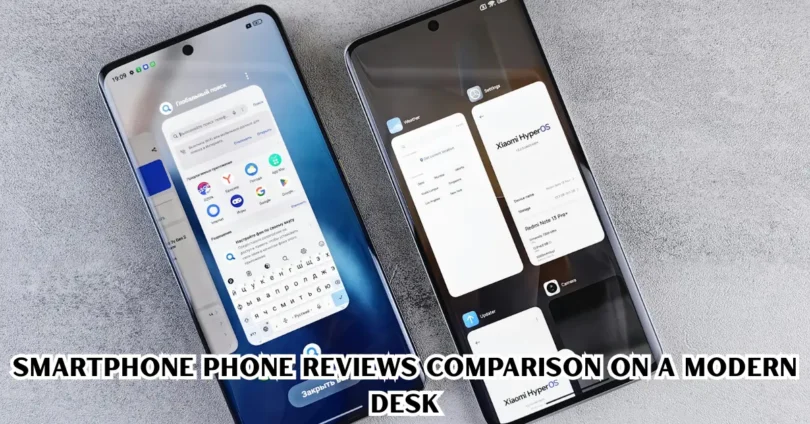

Phone Reviews help buyers understand how a smartphone performs in real-world use rather than relying only on specifications. A good review looks beyond processor names and megapixel counts to evaluate performance, camera quality, battery life, display, software, build quality, connectivity, and overall value.
Whether you are buying an affordable phone, a mid-range device, or a premium flagship, comparing these factors can help you avoid paying for features you do not actually need.
This guide explains what to look for in phone reviews, how to compare smartphones, which specifications matter most, common mistakes to avoid, and how to choose a phone based on your personal needs.
What Are Phone Reviews?

Phone reviews are detailed evaluations of smartphones that explain their features, performance, strengths, weaknesses, and suitability for different types of users.
A useful phone review should answer practical questions such as:
- How fast does the phone feel during everyday use?
- Is the camera good enough for photos and video?
- How long does the battery last?
- Is the display suitable for gaming and media?
- Does the software provide a smooth experience?
- Is the phone comfortable and durable?
- Does its price match its features?
Specifications provide useful technical information, but real-world performance often depends on how those components work together.
For example, two phones may have similar camera specifications but produce noticeably different results because of differences in image processing, sensors, stabilization, software, or camera tuning.
Why Phone Reviews Matter Before Buying
A smartphone is more than a list of specifications. The user experience depends on hardware, software, optimization, and how those features perform in everyday situations.
Reading detailed reviews can help you:
Understand Real-World Performance
A processor specification can tell you what chipset a phone uses, but it does not fully explain how the device feels when opening apps, switching between applications, browsing the web, or playing games.
A practical review considers responsiveness, multitasking, thermal behavior, and sustained performance.
Compare Features That Actually Matter
Manufacturers often highlight impressive numbers such as camera megapixels, charging wattage, screen refresh rate, or storage capacity.
Reviews put those specifications into context.
For example, a high refresh rate can make scrolling and supported animations feel smoother, but it may also affect battery consumption depending on the display technology and software settings.
Identify Weaknesses
Every smartphone has compromises.
A phone may have excellent cameras but average battery life. Another may offer a powerful processor but a less impressive camera system. A budget phone may provide strong value while sacrificing premium materials or advanced features.
Good phone reviews explain these compromises instead of presenting every device as perfect.
Key Factors to Consider in Phone Reviews
When comparing smartphones, focus on the features that directly affect how you intend to use the device.
Performance and Processor
Performance determines how quickly a phone handles applications, multitasking, gaming, and other demanding tasks.
The processor, RAM, storage technology, software optimization, and thermal management all contribute to the overall experience.
For everyday activities such as messaging, social media, streaming, browsing, and email, you generally do not need the most powerful chipset available.
For gaming, video editing, intensive multitasking, or other demanding workloads, processor performance becomes more important.
What to Check
When reading the performance section of a phone review, look for:
- Processor or chipset
- RAM capacity
- Storage technology
- App-loading performance
- Gaming performance
- Thermal behavior
- Multitasking
- Software optimization
Do not judge a phone solely by benchmark scores. Benchmarks can provide useful comparisons, but everyday responsiveness and sustained performance are also important.
Camera Quality
Camera specifications can be misleading when considered without context.
A phone with a high-megapixel main camera is not automatically better than a phone with a lower-resolution sensor. Image processing, sensor size, stabilization, lens quality, exposure, autofocus, and software all influence results.
A useful phone review should examine cameras in different conditions.
Important Camera Features
Consider:
- Main camera quality
- Ultrawide camera performance
- Telephoto or zoom capability
- Front camera quality
- Low-light photography
- Portrait photography
- Video recording
- Image stabilization
- Autofocus
- Camera software
For people who frequently take photos at night, low-light performance may matter more than the maximum resolution.
For travelers, an ultrawide or telephoto camera may be more useful because it provides additional framing options.
Display Quality
The display is one of the smartphone components you interact with most frequently.
Important factors include screen size, resolution, refresh rate, brightness, color reproduction, viewing angles, and display technology.
What Makes a Good Phone Display?
A quality display should provide:
- Clear text and images
- Good outdoor visibility
- Smooth scrolling
- Accurate or pleasing colors
- Comfortable viewing
- Adequate brightness
- Consistent performance
AMOLED and OLED displays are common on many smartphones, while LCD technology is still used on various devices.
A higher refresh rate can make supported animations and scrolling appear smoother, but display quality should be evaluated as a whole rather than based on refresh rate alone.
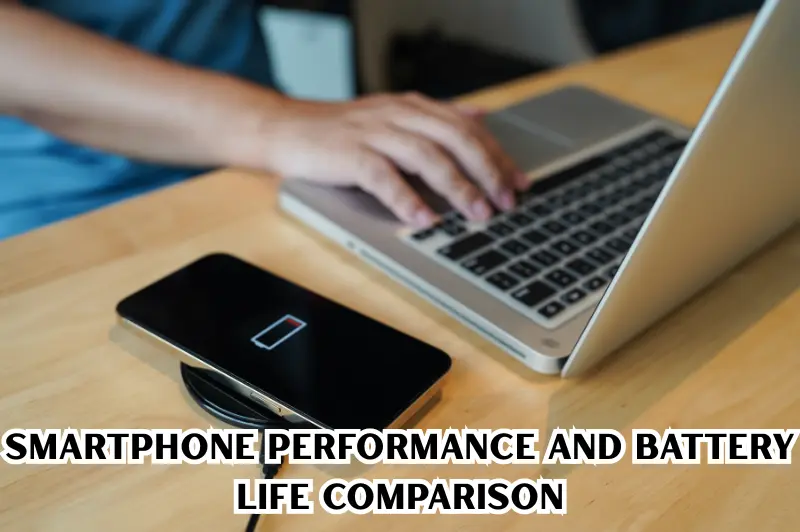
Battery Life and Charging
Battery life is one of the most practical factors in any phone review.
Battery capacity is usually measured in milliampere-hours (mAh), but capacity alone does not determine how long a phone lasts.
Power efficiency depends on the processor, display, software, network connection, screen brightness, applications, and usage patterns.
A phone review should ideally explain how the device performs during everyday use.
Check These Battery Features
Look for:
- Battery capacity
- Typical screen-on performance
- Charging speed
- Charger availability
- Wireless charging, if relevant
- Battery-saving features
- Charging temperature
- Battery health options
If you spend most of your day away from a charger, battery endurance should receive more attention than small design differences.
Software and Updates
Software can significantly affect the long-term experience of a smartphone.
A phone may have excellent hardware, but poor software optimization can affect responsiveness, battery life, notifications, or overall usability.
When reading phone reviews, check the operating system, user interface, pre-installed applications, update policy, security updates, and software features.
Why Software Support Matters
Long-term software support can help keep a phone secure and useful for a longer period.
Before buying, check the manufacturer’s current policy for operating-system upgrades and security updates rather than assuming every model receives the same level of support.
Build Quality and Design
Design is not only about appearance.
Materials, weight, dimensions, button placement, frame construction, glass protection, and water or dust resistance can influence everyday usability.
A comfortable phone is easier to use for long periods, while a durable design can be valuable for users who frequently travel or work outdoors.
Design Features to Consider
Pay attention to:
- Weight
- Thickness
- Grip
- Frame material
- Back material
- Screen protection
- Water and dust resistance
- Button placement
- Port selection
- Overall ergonomics
A larger phone may be excellent for gaming and video consumption but less convenient for one-handed use.
Storage and RAM
Storage determines how much space you have for applications, photos, videos, documents, and other files.
RAM affects how effectively the phone can keep applications available for multitasking.
However, more RAM does not automatically make every phone faster. Hardware and software optimization also matter.
If you take many photos and videos or install large games, choosing adequate internal storage is particularly important.
Before purchasing, check whether the phone supports expandable storage because many modern smartphones rely entirely on internal storage.
Connectivity and Other Features
Modern smartphones can include a wide range of connectivity and convenience features.
Depending on your requirements, check for:
- 5G support
- Wi-Fi standards
- Bluetooth
- NFC
- GPS
- USB connectivity
- Dual-SIM support
- eSIM support
- Fingerprint authentication
- Face unlock
- Stereo speakers
Not every feature is equally important to every buyer. For example, NFC may be particularly useful for users who rely on contactless payments, while dual-SIM functionality can be valuable for people managing two mobile numbers.
How to Compare Two Phones
Comparing two phones becomes easier when you evaluate them according to your actual usage instead of simply comparing specification numbers.
Step 1: Define Your Budget
Start with the maximum amount you are comfortable spending.
Do not automatically choose the most expensive phone. A cheaper device may provide everything you need.
Step 2: Identify Your Priorities
Ask yourself what you use your phone for most.
Your priorities might include:
- Gaming
- Photography
- Social media
- Business
- Video streaming
- Battery life
- Productivity
- Travel
- General everyday use
Step 3: Compare the Important Hardware
Compare the processor, display, cameras, battery, storage, RAM, connectivity, and build quality.
Focus on differences that will actually affect your daily experience.
Step 4: Check Software Support
Look at the manufacturer’s update policy and current software version.
Long-term support can be especially important if you plan to keep the phone for several years.
Step 5: Consider the Total Value
Price should be evaluated alongside features, software support, warranty, accessories, and long-term usability.
The cheapest phone is not always the lowest-cost option over its useful life, and the most expensive phone is not automatically the best match for every buyer.
Phone Reviews for Different Types of Users
Different users need different smartphones.
Best Considerations for Gamers
Gamers should prioritize sustained processor performance, GPU capability, display refresh rate, touch responsiveness, cooling, battery capacity, and charging.
A powerful chipset is useful, but sustained performance matters because demanding games can generate significant heat.
Best Considerations for Photographers
Photography-focused users should pay attention to sensor quality, image processing, stabilization, autofocus, zoom, low-light performance, and video capabilities.
Do not choose a phone based only on megapixel count.
Best Considerations for Students
Students may prioritize battery life, reliability, storage, camera quality for scanning documents, productivity features, and overall affordability.
A mid-range phone can often provide sufficient performance for study, communication, browsing, and entertainment.
Best Considerations for Business Users
Business users may care more about battery life, security, connectivity, multitasking, storage, call quality, productivity applications, and long-term software support.
Common Mistakes When Reading Phone Reviews
Even detailed reviews can be misunderstood if you focus on the wrong information.
Focusing Only on Specifications
Specifications are useful, but they do not always represent the complete user experience.
A phone with impressive numbers may still have software limitations, poor thermal management, or an average camera.
Ignoring Software Support
Buying a phone based entirely on hardware can overlook its long-term software experience.
Always check the manufacturer’s current update commitments.
Assuming More Megapixels Means Better Photos
Camera quality depends on many factors. Resolution is only one part of the system.
Comparing Phones Without Considering Price
A phone should be evaluated within its price category. Features that are impressive on a budget device may be expected on a premium model.
Ignoring Your Own Usage
The right smartphone depends on what you actually do with it.
Someone who primarily sends messages and watches videos has different requirements from a mobile gamer or professional photographer.
Tips for Getting More Value From a Smartphone
You can often improve your smartphone experience without buying a more expensive model.
- Keep the operating system and applications updated.
- Remove applications you no longer use.
- Maintain sufficient free storage.
- Use battery-saving features when appropriate.
- Protect the device with a suitable case and screen protector.
- Avoid unnecessary background applications.
- Use cloud or external backups for important data.
- Review privacy and application permissions regularly.
- Use the display settings that match your needs.
These simple practices can help maintain performance, battery efficiency, security, and usability.
Are Expensive Phones Always Better?
No. Expensive smartphones often provide advanced hardware, premium materials, stronger cameras, better displays, or additional features, but those improvements may not be equally valuable to every user.
A mid-range phone can be a practical choice for someone who mainly needs messaging, browsing, social media, photography, streaming, and everyday applications.
The right choice depends on the features you value and how long you intend to keep the device.
What Makes a Good Phone Review?
A high-quality phone review should be transparent about both strengths and limitations.
It should explain:
- What the phone does well
- Where it falls short
- Who should consider buying it
- Who may want to consider alternatives
- How it compares with similarly priced devices
- Whether its specifications translate into useful real-world benefits
The goal is not simply to repeat manufacturer specifications. The purpose of a review is to help readers understand what those specifications mean in practical use.
For more smartphone buying tips, check out our smartphone buying guide to compare important features before making a purchase. You can also visit GSMArena for detailed smartphone specifications and device information.
Frequently Asked Questions
What should I look for in phone reviews?
Focus on performance, camera quality, battery life, display, software support, build quality, storage, connectivity, and price. Your priorities should depend on how you use the phone. A gamer may prioritize processor and cooling, while another user may care more about camera quality or battery endurance.
How do I know which phone is right for me?
Start by setting your budget and identifying your main activities. Decide whether gaming, photography, battery life, productivity, or general use matters most. Then compare phones within that price range based on those priorities rather than choosing a device simply because it has higher specifications.
Are phone specifications enough to choose a smartphone?
No. Specifications provide useful technical information, but they do not tell the entire story. Software optimization, camera processing, thermal management, battery efficiency, display quality, ergonomics, and update support can significantly influence the real-world experience.
How important is battery capacity in a phone review?
Battery capacity is useful, but it should not be considered alone. A phone with a large battery can still have average endurance if it uses a power-hungry processor or display. Look for reviews that discuss practical battery performance alongside charging speed and power-efficiency features.
Should I buy a phone based on its camera megapixels?
No. Megapixels are only one camera specification. Sensor quality, image processing, stabilization, autofocus, lens quality, exposure, and software also affect photos and videos. If photography matters to you, look for reviews that evaluate camera performance in daylight, low light, portraits, zoom, and video.
Conclusion
Phone Reviews are most useful when they translate technical specifications into real-world benefits and limitations. Instead of focusing on a single feature, evaluate performance, cameras, display, battery life, software, design, storage, connectivity, and long-term support.
The best smartphone for you depends on your budget and personal priorities. Before buying, identify the features you use most, compare devices in the same price range, check software support, and consider both strengths and compromises.
Your next step should be to create a short list of two or three phones within your budget and compare their most important features based on your actual daily usage