
Samsung Phone Reviews can help you understand which Samsung Galaxy smartphone best matches your needs, budget, and daily usage. Samsung offers phones across several categories, from affordable Galaxy A series models to premium Galaxy S devices and foldable Galaxy Z smartphones.
This guide explains what to look for when reading Samsung phone reviews, including display quality, performance, cameras, battery life, software, design, durability, and overall value. It also explains the differences between Samsung’s major phone series and provides practical tips for choosing the right Galaxy device.
What Makes Samsung Phones Popular?
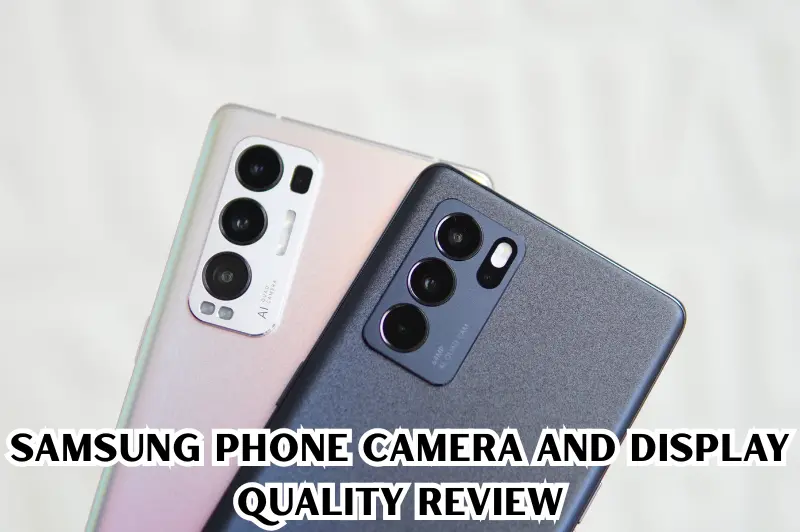
Samsung phones are popular because the company offers a wide range of smartphones with different specifications and prices. Its Galaxy lineup includes budget-friendly, mid-range, flagship, and foldable devices.
The main strengths commonly associated with Samsung smartphones include:
- High-quality AMOLED displays
- Broad Galaxy product range
- Strong camera systems on many models
- Android software with Samsung’s One UI interface
- Premium designs on flagship models
- Foldable options through the Galaxy Z lineup
- Integration with other Galaxy devices and services
However, not every Samsung phone is designed for the same type of user. A budget Galaxy A-series phone and a flagship Galaxy S-series phone can differ significantly in processing power, camera hardware, display technology, materials, and features.
That is why a good Samsung phone review should evaluate the phone according to its intended price category rather than judging every model by flagship standards.
Samsung Galaxy Phone Series Explained
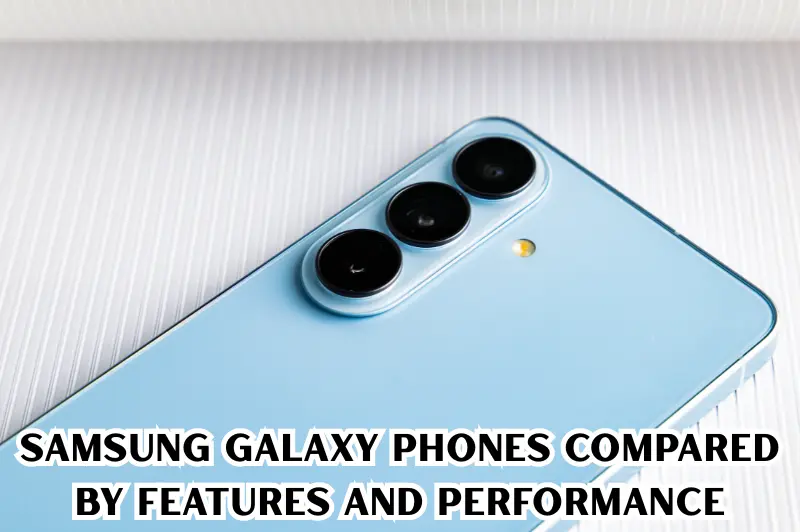
Samsung’s smartphone lineup is easier to understand when you know what each major series is designed to offer.
Samsung Galaxy S Series
The Galaxy S series represents Samsung’s mainstream premium smartphone lineup. These phones typically focus on high-end performance, advanced displays, sophisticated camera systems, and premium construction.
A Galaxy S phone can be suitable for users who want:
- Powerful performance
- High-quality photography and video
- Premium displays
- Advanced connectivity
- Long-term software support
- A feature-rich Android experience
Flagship Samsung Phone Reviews usually pay particular attention to processor performance, camera versatility, display brightness, battery efficiency, and premium features.
Samsung Galaxy A Series
The Galaxy A series covers a broad portion of Samsung’s mid-range and more affordable smartphone market.
These phones generally focus on delivering useful everyday features without reaching the price level of Samsung’s premium models.
The Galaxy A series can make sense for users who mainly need:
- Social media
- Messaging
- Streaming
- Web browsing
- Photography
- Everyday productivity
- Reliable battery life
When reading Samsung Phone Reviews for an A-series device, value should be one of the most important considerations. A phone does not need the fastest processor or most advanced camera to be a good purchase for an everyday user.
Samsung Galaxy Z Series
The Galaxy Z series contains Samsung’s foldable smartphones. The lineup includes different foldable designs, including book-style devices and compact flip-style phones.
Foldables can provide advantages such as:
- Larger screens in a more portable design
- Multitasking capabilities
- Flexible viewing positions
- Unique form factors
- More screen space for certain productivity tasks
They can also involve trade-offs, including higher prices, greater mechanical complexity, and different durability considerations compared with traditional smartphones.
A good Samsung foldable review should therefore discuss the hinge, inner and outer displays, software features, thickness, battery life, camera performance, and durability rather than focusing only on specifications.
What Should You Check in Samsung Phone Reviews?
The best Samsung Phone Reviews should evaluate more than processor names and megapixel counts. A smartphone is a complete package, and real-world usability depends on how its hardware and software work together.
Display Quality
Samsung is well known for its AMOLED display technology, which can provide strong contrast, deep blacks, and vibrant images.
When evaluating a Samsung display, look at:
- Screen size
- Resolution
- Refresh rate
- Brightness
- Outdoor visibility
- Color accuracy
- HDR support
- Bezels and screen-to-body ratio
A higher refresh rate can make scrolling and animations feel smoother, while strong brightness is particularly useful when using a phone outdoors.
However, display specifications should not be considered in isolation. A smaller display may be easier to use with one hand, while a larger panel can be better for gaming, video, reading, and multitasking.
Performance and Processor
Performance determines how quickly a smartphone opens applications, handles multitasking, processes photos, and runs demanding games.
Samsung uses different processors depending on the model and market. Depending on the device, you may encounter Samsung’s Exynos processors or Qualcomm Snapdragon chips.
Instead of choosing a phone based solely on the processor’s name, consider how it performs in actual use.
For example, a typical user who mainly uses WhatsApp, YouTube, Instagram, Chrome, and email may not need flagship-level processing power. A mobile gamer or video editor may benefit more from a higher-performance chipset.
Camera Performance
Camera specifications can be misleading if you only look at megapixels.
A useful camera review should consider:
- Main camera image quality
- Ultrawide performance
- Telephoto capabilities
- Low-light photography
- Portrait photography
- Video quality
- Autofocus
- Image stabilization
- Front-camera performance
- Camera software
Samsung’s image processing can also affect the final appearance of photographs. Two smartphones with similar camera specifications can produce noticeably different results because of sensors, lenses, processing algorithms, and stabilization.
For buyers who frequently take photos, checking sample images and video tests can be more useful than comparing megapixel numbers alone.
Battery Life and Charging
Battery capacity is usually measured in milliamp-hours (mAh), but capacity alone does not determine battery life.
Actual endurance depends on factors such as:
- Processor efficiency
- Display size and refresh rate
- Screen brightness
- Mobile network usage
- Gaming
- Camera use
- Background applications
- Software optimization
A strong Samsung phone review should explain how long the device can realistically last under different usage patterns.
Charging speed is another important consideration. Users who frequently charge their phone during short breaks may place more importance on charging performance than someone who normally charges overnight.
Software and One UI
Samsung smartphones run Android with Samsung’s One UI software interface.
One UI provides Samsung-specific features, customization options, multitasking tools, security features, and integration with the wider Galaxy ecosystem.
When reviewing Samsung software, consider:
- Interface design
- App management
- Multitasking
- Customization
- Security features
- Update policy
- Pre-installed applications
- AI-powered features available on the specific model
Software support is particularly important when buying an expensive smartphone because a device that receives updates for a longer period can remain useful for more years.
Samsung Phone Reviews: Feature Comparison
The following table provides a general way to compare Samsung’s major phone categories. Exact specifications vary by model and generation.
| Feature | Galaxy A Series | Galaxy S Series | Galaxy Z Series |
| Target user | Budget and mid-range buyers | Premium smartphone users | Users seeking foldable designs |
| Performance | Entry-level to upper mid-range | High-end | Varies by model, generally premium |
| Cameras | Model-dependent | Generally advanced | Model-dependent |
| Display | AMOLED available on many models | Premium AMOLED displays | Foldable and cover displays |
| Design | Practical | Premium | Foldable |
| Multitasking | Model-dependent | Strong | Major focus on supported models |
| Price | Generally lower | Premium | Generally premium |
| Best for | Everyday use and value | Performance and features | Flexible form factors and multitasking |
This comparison should be used as a starting point rather than a substitute for checking the specifications and real-world performance of a particular model.
How to Choose the Right Samsung Phone
Choosing the right Samsung phone becomes easier when you start with your actual requirements rather than the most expensive model.
Step 1: Set Your Budget
Decide how much you are comfortable spending before comparing phones.
Your budget can immediately narrow the selection between affordable Galaxy models, mid-range devices, premium phones, and foldables.
Step 2: Identify Your Main Usage
Think about what you do most frequently.
For example:
- Social media users may prioritize display quality and cameras.
- Gamers should focus on processor performance, cooling, display refresh rate, and battery life.
- Students may prioritize battery life, screen quality, storage, and price.
- Professionals may value multitasking, connectivity, storage, and software features.
- Photography enthusiasts should carefully compare camera hardware and image processing.
- Foldable buyers should pay particular attention to design and multitasking features.
Step 3: Compare the Complete Package
Do not choose a phone simply because it has more RAM, megapixels, or a larger battery.
Look at the complete package:
Performance + display + cameras + battery + software + build quality + storage + price
This approach gives you a more realistic understanding of a phone’s value.
Step 4: Check Storage Requirements
Storage is important because modern applications, photographs, videos, games, and offline media can consume considerable space.
If you take lots of photos or record high-resolution video, consider choosing a storage configuration that provides enough room for several years of use.
Step 5: Read Real-World Reviews
Specifications tell you what a phone has. Reviews can help explain how those specifications translate into everyday use.
Look for reviews that test:
- Battery endurance
- Camera quality
- Gaming performance
- Heating
- Speakers
- Call quality
- Network performance
- Software experience
- Charging
- Long-term usability
Common Mistakes When Buying a Samsung Phone
Many smartphone buyers make decisions based on one specification rather than evaluating the entire device.
Choosing Based Only on Camera Megapixels
More megapixels do not automatically mean better photographs. Sensor quality, lens design, stabilization, processing, and lighting all influence results.
Buying the Most Expensive Model
A flagship may offer more features, but those features are not necessarily useful to every buyer. Someone who primarily browses the web and uses social media may not need flagship-level hardware.
Ignoring Software Support
A phone can have excellent hardware but become less attractive if its software support does not meet your long-term expectations.
Always check the manufacturer’s current update policy for the specific model.
Comparing Only Battery Capacity
A larger battery does not automatically guarantee longer battery life. Screen technology, processor efficiency, software, and usage habits all matter.
Ignoring Phone Size
A large screen can be excellent for media and productivity but may be less comfortable for people who prefer compact phones.
Try to consider weight, thickness, dimensions, and one-handed usability before purchasing.
How to Get More Value From a Samsung Phone
You can improve your experience by configuring the phone around your actual usage.
Manage Display Settings
Adjust brightness, refresh-rate settings, and other display options according to your needs. Automatic brightness can also help the phone adapt to changing lighting conditions.
Keep Software Updated
Install official software and security updates when they become available for your device. Updates can provide security improvements, bug fixes, and new features depending on the model.
Manage Storage
Remove unused applications and regularly review large videos, duplicate photographs, and downloaded files.
Cloud storage or external backup solutions can also help protect important data.
Protect the Device
A suitable case and screen protector can reduce the risk of accidental physical damage. Users with foldable phones should also follow the manufacturer’s care instructions for the folding display and hinge.
Are Samsung Phones Good for Gaming?
Samsung phones can be suitable for gaming, but gaming performance depends heavily on the specific model.
Flagship Galaxy devices generally provide considerably more processing power than entry-level phones. When evaluating a Samsung gaming phone, pay attention to:
- Processor
- GPU performance
- Display refresh rate
- Thermal management
- Battery capacity
- Charging
- Sustained performance
A phone that performs well for five minutes is not necessarily the same as one that maintains stable performance during a long gaming session.
Are Samsung Phones Good for Photography?
Samsung offers smartphones with camera systems designed for different price segments. Premium Galaxy models generally provide more advanced camera hardware and features than affordable models.
For photography, consider the type of pictures you take most often.
If you mainly photograph people and everyday scenes, the main camera may matter most. Travelers may benefit from ultrawide and telephoto cameras, while content creators should pay close attention to video stabilization, autofocus, microphone performance, and storage.
Samsung Phone Reviews: What Should a Good Review Include?
A trustworthy Samsung phone review should answer practical questions rather than simply repeat specifications.
A useful review should explain:
- Who the phone is designed for.
- How well it performs in everyday use.
- How good its cameras are in different conditions.
- How long its battery lasts.
- How comfortable the design is.
- What the software experience is like.
- How the phone compares with alternatives in the same price category.
- What its main limitations are.
- Whether its storage and connectivity options meet modern needs.
- What type of buyer would benefit most from it.
This approach makes Samsung Phone Reviews more useful because readers can match the phone’s strengths and limitations with their own requirements.
Frequently Asked Questions
Which Samsung phone series is best for everyday use?
The right series depends on your budget and requirements. Galaxy A models are designed around more accessible pricing and everyday functionality, while Galaxy S models target users seeking premium hardware and features. Galaxy Z models are intended for people specifically interested in foldable designs and related multitasking features.
Are Samsung phones good for long-term use?
Many Samsung phones can be suitable for long-term use, but the expected experience depends on the specific model, hardware, battery condition, and software-support period. Before buying, check Samsung’s official update information for the exact device and consider whether its processor, storage, and battery meet your expected usage over several years.
What should I look for in Samsung Phone Reviews?
Focus on real-world performance, camera quality, battery endurance, display quality, software, build quality, charging, and value. Reviews should also explain limitations and identify the type of user the phone is intended for. Comparing these factors with your personal needs is generally more useful than focusing on a single specification.
Are Samsung Galaxy phones good for photography?
Samsung Galaxy phones can provide strong photography experiences, particularly in higher-end models, but camera performance varies considerably between devices. Look beyond megapixels and consider the sensors, lenses, stabilization, autofocus, image processing, low-light results, and video capabilities when comparing different Samsung smartphones.
Should I buy a Samsung flagship or a cheaper Galaxy phone?
The answer depends on which features you actually need. A flagship can provide more processing power, advanced cameras, premium materials, and additional features, while a less expensive Galaxy model may cover everyday tasks at a lower cost. Compare the features you will actually use rather than paying for specifications you do not need.
Conclusion
Samsung Phone Reviews are most useful when they go beyond specifications and explain how a smartphone performs in real-world situations. Display quality, processor performance, cameras, battery life, software support, design, storage, and price all contribute to the overall experience.
Samsung’s Galaxy A, S, and Z series serve different types of users, so there is no single specification that determines which phone is appropriate for everyone.
Before purchasing, define your budget, identify your most important features, compare phones within the same price range, and read real-world testing from reliable reviewers. Most importantly, choose a Galaxy phone based on the features you will actually use rather than simply choosing the phone with the longest specification list
Samsung Phone Reviews can help you understand which Samsung Galaxy smartphone best matches your needs, budget, and daily usage. Samsung offers phones across several categories, from affordable Galaxy A series models to premium Galaxy S devices and foldable Galaxy Z smartphones.
This guide explains what to look for when reading Samsung phone reviews, including display quality, performance, cameras, battery life, software, design, durability, and overall value. It also explains the differences between Samsung’s major phone series and provides practical tips for choosing the right Galaxy device.
What Makes Samsung Phones Popular?
Samsung phones are popular because the company offers a wide range of smartphones with different specifications and prices. Its Galaxy lineup includes budget-friendly, mid-range, flagship, and foldable devices.
The main strengths commonly associated with Samsung smartphones include:
- High-quality AMOLED displays
- Broad Galaxy product range
- Strong camera systems on many models
- Android software with Samsung’s One UI interface
- Premium designs on flagship models
- Foldable options through the Galaxy Z lineup
- Integration with other Galaxy devices and services
However, not every Samsung phone is designed for the same type of user. A budget Galaxy A-series phone and a flagship Galaxy S-series phone can differ significantly in processing power, camera hardware, display technology, materials, and features.
That is why a good Samsung phone review should evaluate the phone according to its intended price category rather than judging every model by flagship standards.
Samsung Galaxy Phone Series Explained
Samsung’s smartphone lineup is easier to understand when you know what each major series is designed to offer.
Samsung Galaxy S Series
The Galaxy S series represents Samsung’s mainstream premium smartphone lineup. These phones typically focus on high-end performance, advanced displays, sophisticated camera systems, and premium construction.
A Galaxy S phone can be suitable for users who want:
- Powerful performance
- High-quality photography and video
- Premium displays
- Advanced connectivity
- Long-term software support
- A feature-rich Android experience
Flagship Samsung Phone Reviews usually pay particular attention to processor performance, camera versatility, display brightness, battery efficiency, and premium features.
Samsung Galaxy A Series
The Galaxy A series covers a broad portion of Samsung’s mid-range and more affordable smartphone market.
These phones generally focus on delivering useful everyday features without reaching the price level of Samsung’s premium models.
The Galaxy A series can make sense for users who mainly need:
- Social media
- Messaging
- Streaming
- Web browsing
- Photography
- Everyday productivity
- Reliable battery life
When reading Samsung Phone Reviews for an A-series device, value should be one of the most important considerations. A phone does not need the fastest processor or most advanced camera to be a good purchase for an everyday user.
Samsung Galaxy Z Series
The Galaxy Z series contains Samsung’s foldable smartphones. The lineup includes different foldable designs, including book-style devices and compact flip-style phones.
Foldables can provide advantages such as:
- Larger screens in a more portable design
- Multitasking capabilities
- Flexible viewing positions
- Unique form factors
- More screen space for certain productivity tasks
They can also involve trade-offs, including higher prices, greater mechanical complexity, and different durability considerations compared with traditional smartphones.
A good Samsung foldable review should therefore discuss the hinge, inner and outer displays, software features, thickness, battery life, camera performance, and durability rather than focusing only on specifications.
What Should You Check in Samsung Phone Reviews?
The best Samsung Phone Reviews should evaluate more than processor names and megapixel counts. A smartphone is a complete package, and real-world usability depends on how its hardware and software work together.
Display Quality
Samsung is well known for its AMOLED display technology, which can provide strong contrast, deep blacks, and vibrant images.
When evaluating a Samsung display, look at:
- Screen size
- Resolution
- Refresh rate
- Brightness
- Outdoor visibility
- Color accuracy
- HDR support
- Bezels and screen-to-body ratio
A higher refresh rate can make scrolling and animations feel smoother, while strong brightness is particularly useful when using a phone outdoors.
However, display specifications should not be considered in isolation. A smaller display may be easier to use with one hand, while a larger panel can be better for gaming, video, reading, and multitasking.
Performance and Processor
Performance determines how quickly a smartphone opens applications, handles multitasking, processes photos, and runs demanding games.
Samsung uses different processors depending on the model and market. Depending on the device, you may encounter Samsung’s Exynos processors or Qualcomm Snapdragon chips.
Instead of choosing a phone based solely on the processor’s name, consider how it performs in actual use.
For example, a typical user who mainly uses WhatsApp, YouTube, Instagram, Chrome, and email may not need flagship-level processing power. A mobile gamer or video editor may benefit more from a higher-performance chipset.
Camera Performance
Camera specifications can be misleading if you only look at megapixels.
A useful camera review should consider:
- Main camera image quality
- Ultrawide performance
- Telephoto capabilities
- Low-light photography
- Portrait photography
- Video quality
- Autofocus
- Image stabilization
- Front-camera performance
- Camera software
Samsung’s image processing can also affect the final appearance of photographs. Two smartphones with similar camera specifications can produce noticeably different results because of sensors, lenses, processing algorithms, and stabilization.
For buyers who frequently take photos, checking sample images and video tests can be more useful than comparing megapixel numbers alone.
Battery Life and Charging
Battery capacity is usually measured in milliamp-hours (mAh), but capacity alone does not determine battery life.
Actual endurance depends on factors such as:
- Processor efficiency
- Display size and refresh rate
- Screen brightness
- Mobile network usage
- Gaming
- Camera use
- Background applications
- Software optimization
A strong Samsung phone review should explain how long the device can realistically last under different usage patterns.
Charging speed is another important consideration. Users who frequently charge their phone during short breaks may place more importance on charging performance than someone who normally charges overnight.
Software and One UI
Samsung smartphones run Android with Samsung’s One UI software interface.
One UI provides Samsung-specific features, customization options, multitasking tools, security features, and integration with the wider Galaxy ecosystem.
When reviewing Samsung software, consider:
- Interface design
- App management
- Multitasking
- Customization
- Security features
- Update policy
- Pre-installed applications
- AI-powered features available on the specific model
Software support is particularly important when buying an expensive smartphone because a device that receives updates for a longer period can remain useful for more years.
Samsung Phone Reviews: Feature Comparison
The following table provides a general way to compare Samsung’s major phone categories. Exact specifications vary by model and generation.
| Feature | Galaxy A Series | Galaxy S Series | Galaxy Z Series |
| Target user | Budget and mid-range buyers | Premium smartphone users | Users seeking foldable designs |
| Performance | Entry-level to upper mid-range | High-end | Varies by model, generally premium |
| Cameras | Model-dependent | Generally advanced | Model-dependent |
| Display | AMOLED available on many models | Premium AMOLED displays | Foldable and cover displays |
| Design | Practical | Premium | Foldable |
| Multitasking | Model-dependent | Strong | Major focus on supported models |
| Price | Generally lower | Premium | Generally premium |
| Best for | Everyday use and value | Performance and features | Flexible form factors and multitasking |
This comparison should be used as a starting point rather than a substitute for checking the specifications and real-world performance of a particular model.
How to Choose the Right Samsung Phone
Choosing the right Samsung phone becomes easier when you start with your actual requirements rather than the most expensive model.
Step 1: Set Your Budget
Decide how much you are comfortable spending before comparing phones.
Your budget can immediately narrow the selection between affordable Galaxy models, mid-range devices, premium phones, and foldables.
Step 2: Identify Your Main Usage
Think about what you do most frequently.
For example:
- Social media users may prioritize display quality and cameras.
- Gamers should focus on processor performance, cooling, display refresh rate, and battery life.
- Students may prioritize battery life, screen quality, storage, and price.
- Professionals may value multitasking, connectivity, storage, and software features.
- Photography enthusiasts should carefully compare camera hardware and image processing.
- Foldable buyers should pay particular attention to design and multitasking features.
Step 3: Compare the Complete Package
Do not choose a phone simply because it has more RAM, megapixels, or a larger battery.
Look at the complete package:
Performance + display + cameras + battery + software + build quality + storage + price
This approach gives you a more realistic understanding of a phone’s value.
Step 4: Check Storage Requirements
Storage is important because modern applications, photographs, videos, games, and offline media can consume considerable space.
If you take lots of photos or record high-resolution video, consider choosing a storage configuration that provides enough room for several years of use.
Step 5: Read Real-World Reviews
Specifications tell you what a phone has. Reviews can help explain how those specifications translate into everyday use.
Look for reviews that test:
- Battery endurance
- Camera quality
- Gaming performance
- Heating
- Speakers
- Call quality
- Network performance
- Software experience
- Charging
- Long-term usability
Common Mistakes When Buying a Samsung Phone
Many smartphone buyers make decisions based on one specification rather than evaluating the entire device.
Choosing Based Only on Camera Megapixels
More megapixels do not automatically mean better photographs. Sensor quality, lens design, stabilization, processing, and lighting all influence results.
Buying the Most Expensive Model
A flagship may offer more features, but those features are not necessarily useful to every buyer. Someone who primarily browses the web and uses social media may not need flagship-level hardware.
Ignoring Software Support
A phone can have excellent hardware but become less attractive if its software support does not meet your long-term expectations.
Always check the manufacturer’s current update policy for the specific model.
Comparing Only Battery Capacity
A larger battery does not automatically guarantee longer battery life. Screen technology, processor efficiency, software, and usage habits all matter.
Ignoring Phone Size
A large screen can be excellent for media and productivity but may be less comfortable for people who prefer compact phones.
Try to consider weight, thickness, dimensions, and one-handed usability before purchasing.
How to Get More Value From a Samsung Phone
You can improve your experience by configuring the phone around your actual usage.
Manage Display Settings
Adjust brightness, refresh-rate settings, and other display options according to your needs. Automatic brightness can also help the phone adapt to changing lighting conditions.
Keep Software Updated
Install official software and security updates when they become available for your device. Updates can provide security improvements, bug fixes, and new features depending on the model.
Manage Storage
Remove unused applications and regularly review large videos, duplicate photographs, and downloaded files.
Cloud storage or external backup solutions can also help protect important data.
Protect the Device
A suitable case and screen protector can reduce the risk of accidental physical damage. Users with foldable phones should also follow the manufacturer’s care instructions for the folding display and hinge.
Are Samsung Phones Good for Gaming?
Samsung phones can be suitable for gaming, but gaming performance depends heavily on the specific model.
Flagship Galaxy devices generally provide considerably more processing power than entry-level phones. When evaluating a Samsung gaming phone, pay attention to:
- Processor
- GPU performance
- Display refresh rate
- Thermal management
- Battery capacity
- Charging
- Sustained performance
A phone that performs well for five minutes is not necessarily the same as one that maintains stable performance during a long gaming session.
Are Samsung Phones Good for Photography?
Samsung offers smartphones with camera systems designed for different price segments. Premium Galaxy models generally provide more advanced camera hardware and features than affordable models.
For photography, consider the type of pictures you take most often.
If you mainly photograph people and everyday scenes, the main camera may matter most. Travelers may benefit from ultrawide and telephoto cameras, while content creators should pay close attention to video stabilization, autofocus, microphone performance, and storage.
Samsung Phone Reviews: What Should a Good Review Include?
A trustworthy Samsung phone review should answer practical questions rather than simply repeat specifications.
A useful review should explain:
- Who the phone is designed for.
- How well it performs in everyday use.
- How good its cameras are in different conditions.
- How long its battery lasts.
- How comfortable the design is.
- What the software experience is like.
- How the phone compares with alternatives in the same price category.
- What its main limitations are.
- Whether its storage and connectivity options meet modern needs.
- What type of buyer would benefit most from it.
This approach makes Samsung Phone Reviews more useful because readers can match the phone’s strengths and limitations with their own requirements.
For more smartphone guides and technology insights, explore our smartphone reviews and mobile buying guides. For official product information, you can also visit Samsung’s official website.
Frequently Asked Questions
Which Samsung phone series is best for everyday use?
The right series depends on your budget and requirements. Galaxy A models are designed around more accessible pricing and everyday functionality, while Galaxy S models target users seeking premium hardware and features. Galaxy Z models are intended for people specifically interested in foldable designs and related multitasking features.
Samsung Phone Reviews help you explore Samsung smartphones by comparing their features, prices, and performance. Detailed Samsung Phone Reviews cover camera quality, battery life, display, design, software, and overall performance. Reading Samsung Phone Reviews makes it easier to compare different Samsung devices and find reliable Samsung Phone Reviews based on your needs. Our Samsung Phone Reviews provide useful insights before buying, making Samsung Phone Reviews a valuable resource for smartphone shoppers. Explore trusted Samsung Phone Reviews to discover the latest models and make smarter purchasing decisions with comprehensive Samsung Phone Reviews.
Are Samsung phones good for long-term use?
Many Samsung phones can be suitable for long-term use, but the expected experience depends on the specific model, hardware, battery condition, and software-support period. Before buying, check Samsung’s official update information for the exact device and consider whether its processor, storage, and battery meet your expected usage over several years.
Samsung Phone Reviews help you explore Samsung smartphones by comparing their features, prices, and performance. Detailed Samsung Phone Reviews cover camera quality, battery life, display, design, software, and overall performance. Reading Samsung Phone Reviews makes it easier to compare different Samsung devices and find reliable Samsung Phone Reviews based on your needs. Our Samsung Phone Reviews provide useful insights before buying, making Samsung Phone Reviews a valuable resource for smartphone shoppers. Explore trusted Samsung Phone Reviews to discover the latest models and make smarter purchasing decisions with comprehensive Samsung Phone Reviews.
What should I look for in Samsung Phone Reviews?
Focus on real-world performance, camera quality, battery endurance, display quality, software, build quality, charging, and value. Reviews should also explain limitations and identify the type of user the phone is intended for. Comparing these factors with your personal needs is generally more useful than focusing on a single specification.
Are Samsung Galaxy phones good for photography?
Samsung Galaxy phones can provide strong photography experiences, particularly in higher-end models, but camera performance varies considerably between devices. Look beyond megapixels and consider the sensors, lenses, stabilization, autofocus, image processing, low-light results, and video capabilities when comparing different Samsung smartphones.
Should I buy a Samsung flagship or a cheaper Galaxy phone?
The answer depends on which features you actually need. A flagship can provide more processing power, advanced cameras, premium materials, and additional features, while a less expensive Galaxy model may cover everyday tasks at a lower cost. Compare the features you will actually use rather than paying for specifications you do not need.
Conclusion
Samsung Phone Reviews are most useful when they go beyond specifications and explain how a smartphone performs in real-world situations. Display quality, processor performance, cameras, battery life, software support, design, storage, and price all contribute to the overall experience.
Samsung’s Galaxy A, S, and Z series serve different types of users, so there is no single specification that determines which phone is appropriate for everyone.
Before purchasing, define your budget, identify your most important features, compare phones within the same price range, and read real-world testing from reliable reviewers. Most importantly, choose a Galaxy phone based on the features you will actually use rather than simply choosing the phone with the longest specification list