

New Phone Reviews help shoppers understand what a smartphone is actually like to use before spending money on it. A good review looks beyond specifications and explains how the phone performs in everyday situations, including photography, gaming, battery life, software, display quality, charging, and overall value.
With new smartphones launching throughout the year, comparing phones can quickly become confusing. One model may have a powerful processor, another may offer a better camera system, while a third may provide longer battery life at a lower price.
This guide explains how to evaluate new smartphones, which specifications matter most, what to look for in phone reviews, and how to decide whether a particular device is worth buying.
What Are New Phone Reviews?
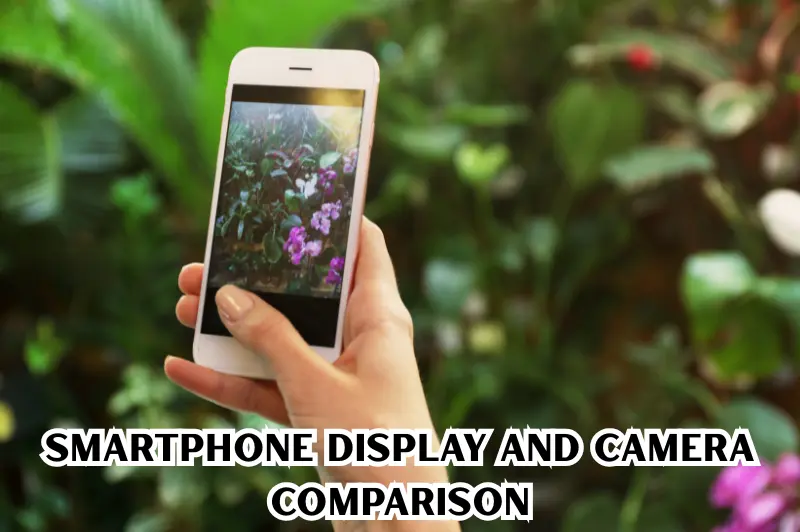
New Phone Reviews are detailed evaluations of recently released smartphones that examine their hardware, software, features, performance, usability, and value. Unlike a specification sheet, a useful phone review explains how those specifications translate into real-world experience.
A smartphone can have impressive numbers on paper but still have limitations that are only noticeable after regular use. For example, a phone might have a high-resolution camera but produce inconsistent photos in low light, or it may have a large battery but take a long time to recharge.
A comprehensive review normally examines:
- Display quality
- Processor and performance
- RAM and storage
- Camera quality
- Battery life
- Charging speed
- Software experience
- Build quality
- Connectivity
- Speakers and audio
- Gaming performance
- Price and overall value
The goal is not simply to identify the phone with the highest specifications. It is to determine whether the device fits a particular user’s needs and budget.
Why Should You Read Phone Reviews Before Buying?
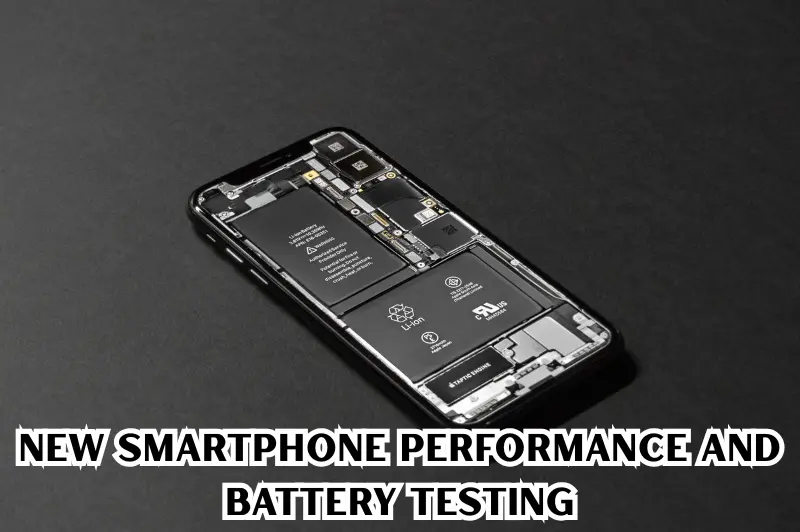
Reading independent phone reviews can help you understand a smartphone’s strengths and limitations before purchasing it. Reviews provide practical information that manufacturers’ specification pages may not explain.
For example, specifications can tell you that a phone has a 5,000mAh battery, but they cannot fully explain how long that battery lasts during video streaming, gaming, navigation, social media, or standby use.
Reviews can also reveal practical details such as:
- Whether the phone gets warm during demanding tasks
- How reliable the camera is in different lighting conditions
- Whether the display is comfortable for long sessions
- How smoothly applications run
- How quickly the battery charges
- Whether the software contains unnecessary applications
- How comfortable the phone feels in the hand
- Whether its price is reasonable compared with alternatives
This information makes reviews particularly useful when several smartphones have similar specifications.
What Should a Good Smartphone Review Cover?
A high-quality smartphone review should evaluate the complete user experience rather than focusing on one feature.
Design and Build Quality
The design is one of the first things you notice when using a phone. A review should discuss the materials, dimensions, weight, button placement, camera module, and overall ergonomics.
Build quality also matters for long-term ownership. Depending on the model, a phone may use materials such as glass, aluminum, plastic, or other composites.
Look for information about:
- Frame construction
- Back-panel material
- Weight and thickness
- Grip and comfort
- Water and dust resistance
- Screen protection
- Button placement
A lightweight phone may be easier to carry, while a heavier device may feel more substantial. Neither approach is automatically better; personal preference matters.
Display Quality
The display affects almost every interaction with a smartphone. A good review should evaluate brightness, colors, contrast, viewing angles, resolution, refresh rate, and outdoor visibility.
Modern phones commonly use OLED or AMOLED-based displays in many price categories, while LCD technology remains available on some devices.
A higher refresh rate can make scrolling and animations appear smoother. However, display quality also depends on brightness, calibration, response time, and software optimization.
When reading a review, pay attention to whether the display performs well in:
- Bright sunlight
- Dark environments
- Video playback
- Gaming
- Web browsing
- Reading for extended periods
Performance and Processor
The processor determines how effectively a smartphone handles applications, multitasking, gaming, photography processing, and other demanding tasks.
A review should consider real-world performance instead of simply repeating the processor’s name.
Important factors include:
- Application launch speed
- Multitasking
- Gaming performance
- Thermal management
- Sustained performance
- Power efficiency
- Network performance
A powerful chipset is particularly important for users who play demanding games, edit videos, use advanced applications, or want a phone that remains responsive for several years.
For basic messaging, browsing, video streaming, and social media, spending more on the fastest available processor may not provide a noticeable benefit.
Camera Performance in New Phone Reviews
Camera systems are among the most important features consumers compare when researching smartphones. However, megapixel count alone does not determine image quality.
A proper camera review should examine image processing, dynamic range, autofocus, stabilization, color reproduction, low-light photography, portrait mode, and video recording.
Main Camera
The primary camera is usually the most important sensor because it handles everyday photography.
A strong review should show how the camera performs in different conditions, including:
- Daylight
- Indoor environments
- Low light
- Moving subjects
- Portrait photography
- Landscapes
- Close-up subjects
Two phones with similar camera resolutions can produce noticeably different results because image processing and sensor characteristics vary.
Ultra-Wide and Telephoto Cameras
Additional cameras can expand a phone’s photography capabilities.
An ultra-wide camera is useful for landscapes, architecture, group photos, and situations where you need to capture a wider scene.
A telephoto camera can provide optical magnification and is particularly useful for distant subjects and portraits.
Some inexpensive smartphones include additional cameras that offer limited practical benefits. Reviews should therefore explain what each camera actually contributes rather than assuming that more lenses automatically mean a better camera system.
Video Recording
Video quality deserves separate attention. A smartphone review should consider stabilization, autofocus, resolution, frame rates, microphone quality, and performance when recording in difficult lighting.
For people who create social media content, record family events, or produce short videos, video performance can be just as important as still photography.
Battery Life and Charging
Battery capacity is useful, but it does not tell the entire story. Actual battery life depends on the processor, display, software optimization, network conditions, screen brightness, and the user’s workload.
A review should explain how the phone behaves during typical use.
For example, a phone used mainly for messaging and browsing may last significantly longer than the same phone used for gaming, GPS navigation, mobile video editing, or high-brightness video streaming.
Charging is another important consideration.
Check whether the phone supports:
- Wired fast charging
- Wireless charging
- Reverse charging
- A charger in the box
- Battery-saving features
Fast charging can be particularly useful for people who frequently need to recharge their phone during a busy day.
Software and Updates
Software can have a major effect on the ownership experience. A phone with excellent hardware can still feel less appealing if its software is poorly optimized or receives limited support.
When reading New Phone Reviews, check the operating system version, user interface, update policy, security updates, and pre-installed applications.
Software evaluation should include:
- Interface design
- Multitasking
- Customization
- Notifications
- Privacy controls
- Accessibility features
- Pre-installed apps
- Security updates
- Major operating system updates
Long-term software support is especially important if you plan to keep a smartphone for several years.
Storage and RAM: How Much Do You Need?
RAM helps a smartphone manage active applications, while storage provides space for applications, photos, videos, documents, and other files.
More RAM does not automatically make every phone faster. The processor, operating system, memory technology, and software optimization also affect performance.
For storage, your requirements depend heavily on how you use the phone.
You may need more storage if you:
- Record lots of high-resolution videos
- Download movies and music
- Install large games
- Store thousands of photos
- Keep your files locally
Cloud storage can reduce the need for extremely large internal storage, but users who frequently work offline may prefer more built-in capacity.
5G, Wi-Fi and Connectivity
Connectivity is another area that should not be overlooked.
Depending on the device and region, a smartphone may support 5G, Wi-Fi standards, Bluetooth, NFC, GPS, dual SIM functionality, and other wireless technologies.
However, compatibility varies by market and carrier. Before purchasing a phone, check whether its supported cellular bands are compatible with your network provider.
For users who rely heavily on mobile data, network compatibility can be more important than a small difference in benchmark performance.
New Phone Reviews: Specifications vs Real-World Experience
Specifications are useful for comparing devices, but they should not be treated as the complete buying decision.
| Feature | What Specifications Tell You | What Reviews Can Explain |
| Processor | Chipset and core configuration | Real-world speed and sustained performance |
| Battery | Capacity | Practical battery endurance |
| Camera | Resolution and sensors | Photo and video quality |
| Display | Size and resolution | Brightness, colors, and viewing experience |
| RAM | Memory capacity | Multitasking behavior |
| Charging | Charging wattage | Practical charging experience |
| Storage | Available capacity | How much space you realistically need |
| Software | OS version | Usability and update experience |
The best approach is to use specifications as a starting point and reviews as practical evidence.
How to Compare New Smartphones
If you are comparing several phones, avoid looking at every specification simultaneously. Start with the features that matter most to you.
Step 1: Set Your Budget
Decide how much you are comfortable spending before comparing models. This prevents expensive features from distracting you from your actual requirements.
Step 2: Identify Your Priorities
Ask yourself what you use your smartphone for most.
For example:
- Photography → prioritize cameras and image processing
- Gaming → prioritize chipset, cooling, display, and battery
- Work → prioritize performance, battery, software, and connectivity
- Social media → prioritize camera, display, and performance
- Streaming → prioritize display, speakers, battery, and storage
Step 3: Compare Long-Term Features
Do not focus only on launch specifications. Consider software support, storage, battery health, repairability where information is available, and network compatibility.
Step 4: Read Multiple Reviews
One review may emphasize cameras while another focuses on gaming or battery life. Reading several reputable reviews can provide a broader picture.
Step 5: Check the Current Price
Smartphone prices can change after launch. A phone that appears expensive initially may become more competitive after discounts or the release of newer models.
Common Mistakes When Reading Phone Reviews
Even useful reviews can be misunderstood if you focus on the wrong information.
Focusing Only on Benchmarks
Benchmarks can help compare performance under controlled conditions, but they do not perfectly represent everyday smartphone use.
Assuming More Megapixels Means a Better Camera
Camera quality depends on multiple factors, including sensors, lenses, stabilization, autofocus, and image processing.
Ignoring Software Support
A phone may have excellent hardware but become less attractive over time if software and security support are limited.
Comparing Phones Without Considering Price
A more expensive phone may offer additional features that you do not need. Always consider what you are actually receiving for the money.
Ignoring Regional Differences
Phone configurations, network compatibility, storage options, chargers, warranty coverage, and pricing can vary between countries.
How to Find Trustworthy New Phone Reviews
Look for reviews that clearly explain testing methods and distinguish observed results from opinions.
A useful review should:
- Discuss both advantages and limitations
- Explain real-world usage
- Avoid relying entirely on manufacturer claims
- Include relevant comparisons
- Identify the intended type of user
- Explain whether features provide practical benefits
- Distinguish facts from personal preferences
Be cautious of reviews that make extreme claims without explaining how those conclusions were reached.
When comparing New Phone Reviews, it is also important to consider smartphone performance, camera quality, battery life, display technology, and software support. For more information about choosing the right device, you can also explore this Android smartphone guide.
Frequently Asked Questions
What should I look for in New Phone Reviews?
Focus on the areas that matter most to your usage: performance, camera quality, battery life, display, software support, connectivity, build quality, and price. A useful review should explain real-world behavior rather than simply listing specifications. Comparing several reliable reviews can also help identify consistent strengths and limitations.
New Phone Reviews help buyers discover the latest smartphones and compare their features, prices, and performance. Detailed New Phone Reviews cover camera quality, battery life, display, design, software, and overall performance. By reading New Phone Reviews, you can compare recently launched devices and find reliable New Phone Reviews based on your needs. Our New Phone Reviews provide useful insights before buying, making New Phone Reviews a valuable resource for smartphone shoppers. Explore trusted New Phone Reviews to discover the latest devices and make smarter purchasing decisions with comprehensive New Phone Reviews.
Are expensive smartphones always better?
Not necessarily. Higher-priced smartphones often offer additional features, premium materials, advanced cameras, stronger processors, or longer software support, but those features may not matter to every buyer. The better choice depends on your budget and priorities. A mid-range phone can be sufficient for browsing, messaging, streaming, photography, and everyday applications.
How important is the phone processor?
The processor is important for overall responsiveness, demanding applications, gaming, image processing, and long-term performance. However, processor speed should be considered alongside software optimization, thermal management, battery efficiency, and your usage habits. For basic tasks, a modern mid-range chipset may provide more than enough performance.
New Phone Reviews help buyers discover the latest smartphones and compare their features, prices, and performance. Detailed New Phone Reviews cover camera quality, battery life, display, design, software, and overall performance. By reading New Phone Reviews, you can compare recently launched devices and find reliable New Phone Reviews based on your needs. Our New Phone Reviews provide useful insights before buying, making New Phone Reviews a valuable resource for smartphone shoppers. Explore trusted New Phone Reviews to discover the latest devices and make smarter purchasing decisions with comprehensive New Phone Reviews.
How many years should a smartphone last?
A smartphone’s useful lifespan depends on hardware durability, battery health, software support, storage, and how heavily it is used. Before buying, check how long the manufacturer intends to provide operating system and security updates. Replacing a battery or maintaining adequate storage can also help extend a device’s practical lifespan.
New Phone Reviews help buyers discover the latest smartphones and compare their features, prices, and performance. Detailed New Phone Reviews cover camera quality, battery life, display, design, software, and overall performance. By reading New Phone Reviews, you can compare recently launched devices and find reliable New Phone Reviews based on your needs. Our New Phone Reviews provide useful insights before buying, making New Phone Reviews a valuable resource for smartphone shoppers. Explore trusted New Phone Reviews to discover the latest devices and make smarter purchasing decisions with comprehensive New Phone Reviews.
Should I trust smartphone specifications or reviews more?
Use both. Specifications provide objective information such as screen size, storage capacity, processor model, and battery capacity. Reviews add practical context by examining performance, cameras, battery endurance, software, and usability. Neither source should be considered sufficient on its own when making a detailed smartphone comparison.
Conclusion
New Phone Reviews are most useful when they go beyond specification sheets and explain what a smartphone is actually like to use. Performance, camera quality, battery life, display technology, software support, connectivity, build quality, and pricing all contribute to the overall experience.
Before buying a new phone, start by defining your budget and identifying the features you use most. Then compare relevant smartphones, read detailed reviews, check software support and network compatibility, and consider the current price rather than relying only on the launch price.
The practical next step is to shortlist two or three smartphones that fit your budget and compare them feature by feature. This approach makes it easier to find a device that matches your actual needs instead of simply choosing the phone with the longest specification list