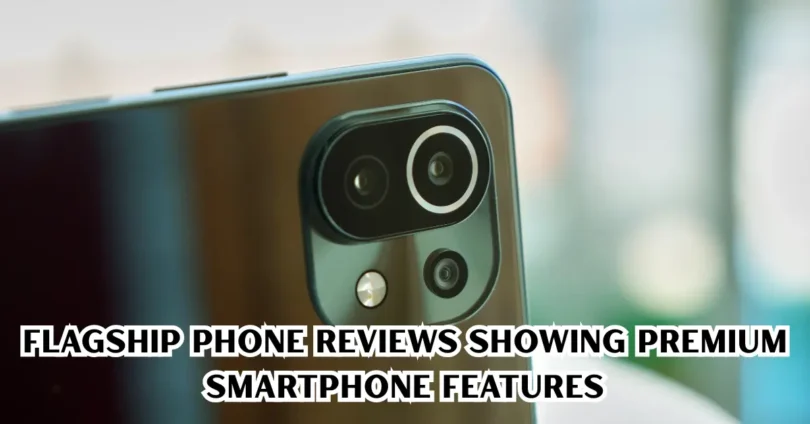

Flagship Phone Reviews help buyers understand whether a premium smartphone is actually worth its price. This guide explains what makes a phone a flagship, how to compare performance, cameras, displays, battery life, software, build quality, and long-term value, and what to check before buying.
Premium smartphones can look impressive on a specification sheet, but specifications alone do not tell the whole story. A powerful processor may deliver excellent performance, while poor thermal management can affect sustained gaming. A high-resolution camera may produce detailed images, but image processing can matter just as much.
That is why a useful flagship phone review should evaluate the complete user experience rather than focusing on one impressive feature.
What Is a Flagship Phone?
A flagship phone is a manufacturer’s premium smartphone designed to represent its highest level of technology, performance, design, and features.
Flagship models typically include:
- High-end processors
- Premium displays
- Advanced camera systems
- Fast charging and large batteries
- High-quality materials
- Advanced connectivity
- Long-term software support
- Premium security and biometric features
- AI-powered smartphone features
Examples of flagship categories include premium smartphones from Apple, Samsung, Google, Xiaomi, OnePlus, Sony, and other major manufacturers.
However, a higher price does not automatically mean a phone is better for every user. The best choice depends on how you use your smartphone, what features matter most, and how long you plan to keep it.
Why Flagship Phone Reviews Matter
A good review turns technical specifications into information that ordinary buyers can actually use.
For example, knowing that a smartphone has a high refresh-rate display tells you something about smoothness, but it does not explain whether the display remains readable outdoors or whether the phone manages battery consumption effectively.
Detailed reviews should answer questions such as:
- Is the phone fast enough for demanding apps and games?
- How good are the cameras in real-world conditions?
- Does the battery last through a full day?
- Is charging genuinely fast?
- Is the display suitable for gaming and media?
- Does the phone become hot under heavy workloads?
- How long will software updates be available?
- Is the premium price justified by the features?
These questions provide more practical value than simply repeating a manufacturer’s specification list.
What Should You Look for in Flagship Phone Reviews?
The most important areas to evaluate are performance, display quality, cameras, battery life, software, design, connectivity, and overall value.
1. Processor and Performance
Performance is one of the first areas to examine when comparing premium smartphones.
Flagship phones generally use high-end mobile chipsets designed to handle demanding applications, gaming, photography, multitasking, and AI-related workloads.
However, benchmark scores should not be the only consideration.
A strong performance review should examine:
- App opening and multitasking
- Gaming performance
- Frame-rate stability
- Heat management
- Performance during long workloads
- RAM management
- Storage speed
- Everyday responsiveness
A phone that performs extremely well for a few minutes but becomes significantly hotter and slower during extended gaming may provide a different experience from its benchmark results.
2. Display Quality
The display is one of the features users interact with constantly, so it deserves careful attention.
Important display specifications include:
- Screen size
- Resolution
- Refresh rate
- Peak brightness
- HDR support
- Display technology
- Touch response
- Color accuracy
- Adaptive refresh rate
A high refresh rate can make scrolling and supported games feel smoother. High brightness can make the screen easier to view outdoors.
For people who watch movies, edit photos, play games, or read for long periods, display quality can have a major effect on the overall experience.
3. Camera Performance
Camera specifications can be misleading when considered without real-world testing.
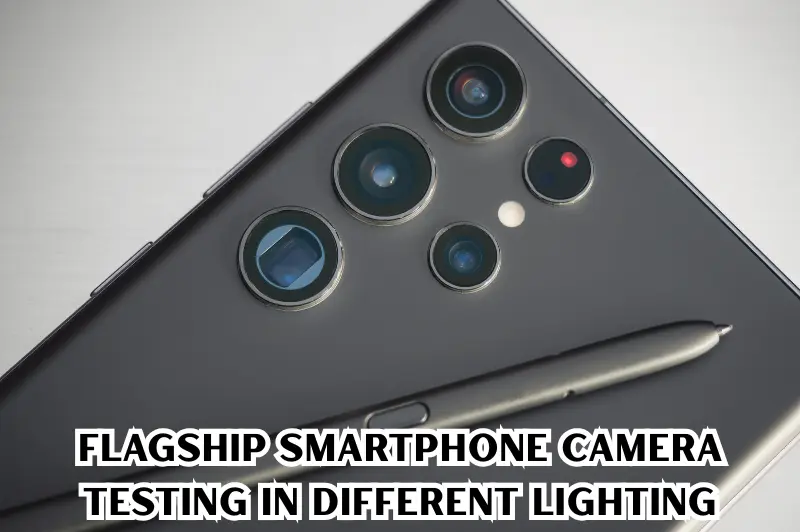
For example, a camera with a very high megapixel count is not automatically better than a camera with a lower resolution sensor. Image quality also depends on sensor size, lens quality, stabilization, image processing, autofocus, and software.
When reading flagship phone reviews, check performance in:
- Daylight photography
- Low-light photography
- Portrait mode
- Ultrawide photography
- Telephoto shots
- Selfies
- Video recording
- Moving subjects
- Skin tones
- HDR scenes
Computational photography is particularly important because modern smartphones use software processing to improve exposure, detail, dynamic range, noise reduction, and other aspects of an image.
4. Battery Life
Battery capacity is only part of the battery story.
Two smartphones with similarly sized batteries can provide different battery life because of differences in processor efficiency, display technology, software optimization, network usage, and background activity.
A useful review should discuss practical usage rather than simply stating battery capacity.
Consider whether the phone can comfortably handle:
- Social media
- Web browsing
- Video streaming
- Photography
- Navigation
- Gaming
- Messaging
- Calls
- Background applications
Charging technology is also important. Check wired charging speed, wireless charging, charging compatibility, and whether a charger is included with the phone.
5. Software and Updates
Software can determine how enjoyable a phone remains after the initial purchase.
When comparing flagship smartphones, consider the manufacturer’s update policy, operating system experience, security features, customization options, and pre-installed applications.
Important software considerations include:
- Operating system version
- Security updates
- Major software upgrades
- User interface
- AI features
- Privacy controls
- Accessibility options
- Bloatware
- Customization
Long-term software support can be especially important for people who keep their phones for several years.
Flagship Phone Reviews: Specifications vs Real-World Experience
Specifications are useful, but they should be interpreted in context.
| Feature | What the Specification Tells You | What You Should Actually Check |
| Processor | Chipset generation and capabilities | Sustained performance and efficiency |
| RAM | Available memory capacity | Multitasking and memory management |
| Display | Resolution and refresh rate | Brightness, colors, smoothness, and visibility |
| Camera | Sensors and megapixels | Image quality in different lighting |
| Battery | Battery capacity | Real-world endurance |
| Charging | Charging wattage | Actual charging time and compatibility |
| Storage | Available capacity | Speed and whether expansion is supported |
| Software | OS and features | Updates, usability, and long-term support |
This distinction is important because two phones with similar specifications can deliver noticeably different experiences.
How to Compare Two Flagship Smartphones
When deciding between two premium phones, avoid comparing specifications one by one without considering your priorities.
Instead, follow these steps.
Step 1: Identify Your Main Use
First, determine what you use your smartphone for most.
A mobile gamer may prioritize sustained performance and cooling. A photographer may care more about camera sensors, zoom quality, stabilization, and image processing.
Someone who mainly uses social media, messaging, and video streaming may place greater importance on display quality, battery life, speakers, and software experience.
Step 2: Compare the Core Hardware
Compare the processor, RAM, storage, display, cameras, battery, charging, and connectivity.
Do not automatically select the phone with the largest number.
A feature is valuable when it improves your actual experience.
Step 3: Check Camera Samples
If photography matters to you, examine sample images rather than relying only on camera specifications.
Look for consistency across different lighting conditions and compare details, exposure, colors, dynamic range, skin tones, and video stabilization.
Step 4: Evaluate Software Support
Check how the manufacturer handles operating system upgrades and security updates.
A phone that remains secure and receives useful software improvements for longer can have greater practical value over its ownership period.
Step 5: Consider the Total Cost
The purchase price is not always the complete cost.
Consider whether you need additional accessories such as:
- A charger
- Protective case
- Screen protector
- Wireless accessories
- Additional storage or cloud storage
Trade-in value and resale demand can also influence the overall cost of ownership.
Benefits of Buying a Flagship Phone
Premium smartphones can offer several advantages over mid-range devices.
Excellent Performance
High-end processors provide enough power for demanding games, professional applications, multitasking, photography, and other intensive workloads.
Better Camera Systems
Flagship devices often combine multiple cameras with advanced stabilization, computational photography, improved sensors, and sophisticated video capabilities.
Premium Displays
Higher-end phones commonly offer bright, smooth displays with advanced refresh-rate technology and strong HDR capabilities.
Better Build Quality
Premium models often use higher-quality materials and more refined construction, although durability still varies between devices.
Advanced Features
Flagship phones are usually among the first devices to receive new smartphone technologies, including advanced connectivity, biometric systems, AI features, camera technologies, and display improvements.
Limitations of Flagship Smartphones
A flagship phone is not automatically the right purchase for everyone.
Higher Price
Premium hardware comes with a higher initial cost. Some users may not benefit enough from the additional features to justify paying more.
Diminishing Returns
The performance difference between a flagship and a good mid-range smartphone may not be noticeable during basic tasks such as messaging, browsing, or watching videos.
Expensive Repairs
Premium components, advanced camera systems, specialized displays, and glass construction can make certain repairs expensive.
More Features Can Mean More Complexity
Advanced software features can be useful, but some users may prefer a simpler interface with fewer additional functions.
Common Mistakes When Reading Phone Reviews
Even experienced buyers can make poor decisions when they focus on the wrong information.
Mistake 1: Choosing Based Only on Benchmarks
Benchmarks can help compare performance, but they do not represent every aspect of daily smartphone use.
Mistake 2: Assuming More Megapixels Means a Better Camera
Camera quality depends on the entire imaging system, including sensors, optics, stabilization, processing, and software.
Mistake 3: Ignoring Software Support
A smartphone is not just hardware. Software updates and security support can influence its useful lifespan.
Mistake 4: Comparing Only Price
A cheaper phone may have weaker cameras, shorter software support, slower charging, or fewer premium features. A more expensive phone may also include features you never use.
Mistake 5: Ignoring Ergonomics
A large phone can provide a better viewing experience but may be uncomfortable for people who prefer one-handed use.
Always consider weight, dimensions, button placement, grip, and overall comfort.
How to Read a Flagship Phone Review Properly
A useful review should separate measurable specifications from subjective impressions.
Look for evidence such as:
- Actual battery testing
- Camera samples
- Performance testing
- Charging measurements
- Display observations
- Software update information
- Build-quality testing
- Long-term usage observations
Also check when the review was published. Smartphone software can change after launch through updates, so older reviews may not always represent the latest experience.
Tips for Choosing the Right Flagship Phone
Before purchasing, create a simple priority list.
For example:
If you are a gamer: prioritize sustained performance, cooling, display refresh rate, touch response, and battery endurance.
If you are a photographer: prioritize camera sensors, optical stabilization, telephoto capability, image processing, and video recording.
If you are a business user: prioritize battery life, security, connectivity, software support, productivity features, and reliability.
If you consume media: focus on display quality, speakers, battery life, storage, and comfortable ergonomics.
This approach prevents you from paying for specifications that do not meaningfully improve your experience.
Are Flagship Phones Worth Buying?
Flagship smartphones can be worthwhile for users who need premium performance, advanced cameras, high-quality displays, long-term software support, or specialized features.
However, the value depends on individual requirements.
If your primary activities are messaging, browsing, social media, streaming, and basic photography, a less expensive smartphone may already provide everything you need.
The important question is not simply whether a flagship phone is expensive or powerful. The better question is whether its additional capabilities solve problems you actually have.
For more information about smartphone reviews, check our detailed guide. You can also explore the latest smartphone specifications and official product information on Apple’s official website.
Frequently Asked Questions
What is a flagship phone?
A flagship phone is a manufacturer’s premium smartphone designed to showcase its most advanced hardware, software, cameras, display technology, and other features. Flagship devices usually sit at the higher end of a company’s smartphone lineup and are designed for users seeking premium performance and features.
Flagship Phone Reviews help you explore premium smartphones by comparing their features, prices, and performance. Detailed Flagship Phone Reviews cover camera quality, battery life, display, design, software, and overall performance. Reading Flagship Phone Reviews makes it easier to compare high-end devices and find reliable Flagship Phone Reviews based on your needs. Our Flagship Phone Reviews provide useful insights before buying, making Flagship Phone Reviews a valuable resource for premium smartphone shoppers. Explore trusted Flagship Phone Reviews to discover the latest flagship devices and make smarter purchasing decisions with comprehensive Flagship Phone Reviews.
Are flagship phones better for photography?
Flagship phones often provide advanced camera hardware and image-processing systems, which can produce strong results across different lighting conditions. However, camera quality varies between models. Buyers should examine real-world photos, video performance, stabilization, autofocus, and processing rather than relying only on megapixel counts.
Flagship Phone Reviews help you explore premium smartphones by comparing their features, prices, and performance. Detailed Flagship Phone Reviews cover camera quality, battery life, display, design, software, and overall performance. Reading Flagship Phone Reviews makes it easier to compare high-end devices and find reliable Flagship Phone Reviews based on your needs. Our Flagship Phone Reviews provide useful insights before buying, making Flagship Phone Reviews a valuable resource for premium smartphone shoppers. Explore trusted Flagship Phone Reviews to discover the latest flagship devices and make smarter purchasing decisions with comprehensive Flagship Phone Reviews.
How long should a flagship phone last?
A flagship phone can remain useful for several years, but its practical lifespan depends on battery health, software support, hardware durability, storage needs, and personal usage. Checking the manufacturer’s software and security-update policy before purchasing can help determine whether a phone suits your expected ownership period.
Flagship Phone Reviews help you explore premium smartphones by comparing their features, prices, and performance. Detailed Flagship Phone Reviews cover camera quality, battery life, display, design, software, and overall performance. Reading Flagship Phone Reviews makes it easier to compare high-end devices and find reliable Flagship Phone Reviews based on your needs. Our Flagship Phone Reviews provide useful insights before buying, making Flagship Phone Reviews a valuable resource for premium smartphone shoppers. Explore trusted Flagship Phone Reviews to discover the latest flagship devices and make smarter purchasing decisions with comprehensive Flagship Phone Reviews.
Should I upgrade to a new flagship phone every year?
Not necessarily. An annual upgrade may provide improvements in cameras, processors, displays, battery efficiency, or software features, but the difference may not be significant for every user. If your current phone still performs well and receives security updates, comparing the new features with your actual needs can help determine whether an upgrade makes sense.
What matters most when comparing flagship smartphones?
The most important factors depend on your usage. Performance matters for gaming and demanding applications, while camera quality matters for photography. Battery life, display quality, software support, durability, connectivity, and price are also important. A balanced comparison should consider the complete ownership experience rather than one specification.
Conclusion
Flagship Phone Reviews are most useful when they go beyond specifications and explain how a smartphone performs in real-world situations. Processor performance, display quality, cameras, battery endurance, charging, software support, build quality, and connectivity all contribute to the overall experience.
Before buying a premium smartphone, identify the features you actually need, compare competing models carefully, examine real-world testing, and consider long-term software support. Avoid choosing a phone simply because it has the highest megapixel count, fastest benchmark score, or most expensive price tag.
Your practical next step is to shortlist two or three flagship phones based on your budget and priorities, then compare their cameras, performance, battery life, software support, and total ownership cost before making a purchase.