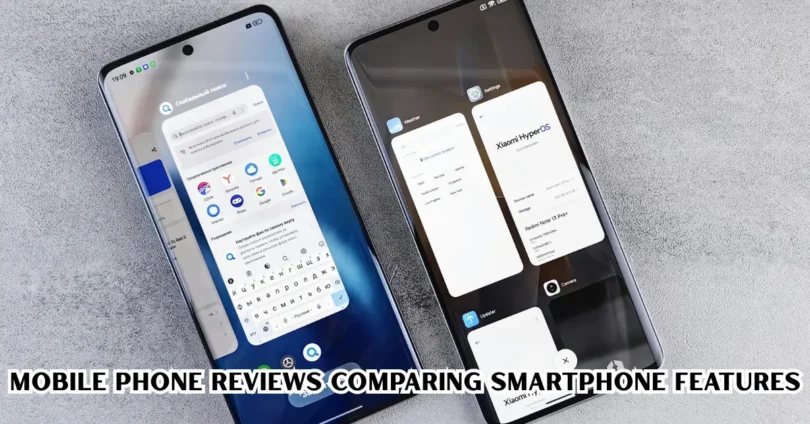

Mobile Phone Reviews help buyers understand how a smartphone performs beyond its specifications sheet. A good review looks at the processor, display, camera quality, battery life, charging speed, software, build quality, connectivity, and overall value for money.
This guide explains how to read and compare phone reviews, which specifications actually matter, and how to choose a smartphone based on your personal needs rather than marketing claims. Whether you need a phone for gaming, photography, work, social media, or everyday use, these factors can help you make a more informed decision.
What Are Mobile Phone Reviews?
Mobile phone reviews are detailed evaluations of smartphones that examine their hardware, software, real-world performance, features, and value. Instead of looking only at specifications, a useful review considers how the phone performs during everyday use.
For example, a smartphone may have a high-megapixel camera, but that number alone does not guarantee better photos. Image processing, sensor quality, stabilization, lens selection, and software can all affect the final result.
A reliable phone review should answer practical questions such as:
- Is the phone fast enough for everyday tasks?
- How good are its cameras in different lighting conditions?
- How long does the battery realistically last?
- Is the display comfortable for reading and watching videos?
- Does the software feel smooth and reliable?
- How well is the phone built?
- Does its price match its overall features?
- How long is the device expected to receive software updates?
The goal is not simply to identify the phone with the biggest specifications. It is to determine whether a particular device fits the buyer’s needs.
Why Mobile Phone Reviews Matter Before Buying
A smartphone is more than a collection of specifications. Two phones with similar processors, RAM, or camera resolutions can deliver noticeably different experiences.
Mobile phone reviews can reveal practical strengths and weaknesses that are difficult to understand from a product page alone.
Reviews Show Real-World Performance
Specifications provide useful information, but real-world testing provides context. A review can explain whether an application opens quickly, whether multitasking remains smooth, and whether demanding games cause noticeable heating or performance drops.
For everyday users, factors such as responsiveness, software optimization, and thermal management can matter as much as raw processing power.
Reviews Help Compare Similar Phones
The smartphone market contains many devices competing at similar prices. Comparing reviews can make it easier to identify meaningful differences.
For example, one phone may offer a better camera system while another provides longer battery life. A third may have a brighter display or longer software support.
The right choice depends on which characteristics matter most to you.
Reviews Can Highlight Limitations
A trustworthy review should discuss weaknesses as well as strengths.
Common limitations may include:
- Average low-light camera performance
- Slow charging
- Limited storage options
- Excessive pre-installed applications
- Lack of wireless charging
- No expandable storage
- Heavy software customization
- Shorter software-support period
Understanding limitations before purchasing can prevent disappointment later.
How to Evaluate a Smartphone
A useful smartphone evaluation should look at several major categories rather than focusing on one specification.
Processor and Performance
The processor, or system-on-chip, has a major influence on smartphone performance. It affects application loading, gaming, multitasking, image processing, and many other tasks.
However, processor performance should not be considered in isolation.
RAM, storage technology, thermal management, operating-system optimization, and application behavior can all influence the user experience.
What Performance Level Do You Need?
For basic activities such as messaging, web browsing, email, streaming, and social media, a mid-range smartphone can often provide a smooth experience.
More demanding users may need stronger hardware for:
- 3D gaming
- Video editing
- High-resolution photography
- Heavy multitasking
- Professional applications
- Long-term performance requirements
When reading mobile phone reviews, look for comments about sustained performance rather than only benchmark numbers.
Display Quality
The display is one of the components you interact with most frequently.
Important display characteristics include:
- Screen size
- Resolution
- Panel technology
- Refresh rate
- Brightness
- Color accuracy
- Viewing angles
- Touch responsiveness
- Display protection
An AMOLED or OLED panel can provide deep blacks and strong contrast, while different display technologies may offer different advantages depending on the device.
A higher refresh rate can make scrolling and supported animations feel smoother, but it may also affect battery consumption depending on how the device manages refresh rates.
What Makes a Good Phone Display?
A good display should be bright enough for outdoor use, comfortable for long sessions, responsive to touch, and suitable for the content you regularly consume.
If you frequently watch videos or play games, display quality may deserve more attention than a small difference in processor performance.
Camera Quality
Camera specifications can be confusing because manufacturers often emphasize megapixel counts.
However, megapixels are only one part of smartphone photography.
A camera system can also be evaluated through:
- Sensor size
- Lens quality
- Optical image stabilization
- Autofocus performance
- Dynamic range
- HDR processing
- Night photography
- Video stabilization
- Portrait processing
- Color consistency
Why Camera Reviews Matter
A camera that performs well outdoors may produce different results indoors or at night. This is why sample photos and practical camera testing can be more useful than specifications alone.
When reading smartphone reviews, look for comparisons across different conditions rather than relying on a single camera sample.
For example, a good review may examine daylight photographs, indoor images, portraits, moving subjects, nighttime scenes, selfies, and video recording.
Battery Life and Charging
Battery capacity is normally measured in milliamp-hours, but capacity alone does not determine battery life.
Actual battery endurance depends on several factors, including:
- Display brightness
- Processor efficiency
- Screen refresh rate
- Mobile network usage
- Gaming
- GPS
- Background applications
- Software optimization
- Camera usage
A phone with a large battery may still have average endurance if its hardware or software consumes substantial power.
What Should You Look For?
Instead of asking only how large the battery is, look for information about realistic daily usage.
Consider whether the phone can comfortably last through your typical day and whether its charging system fits your routine.
Fast charging can be particularly useful for people who frequently need to recharge their phones during short breaks.
Software and User Experience
Software has a major effect on how a smartphone feels over time.
When comparing mobile phone reviews, examine the operating system, user interface, pre-installed applications, customization options, security features, and update policy.
A clean interface can make everyday navigation easier, while heavily customized software may offer additional features but require more time to learn.
Software Updates Matter
Software support is an important long-term consideration.
Before purchasing a phone, check the manufacturer’s current update policy where available. Longer support can improve the device’s security and help maintain compatibility with newer applications and services.
Buyers should distinguish between major operating-system updates and security updates because they serve different purposes.
Build Quality and Design
Build quality affects durability, comfort, and everyday usability.
Consider materials used for the frame and back, button quality, screen protection, weight, thickness, and water or dust resistance where applicable.
A premium-looking design does not automatically mean a phone is more durable. Similarly, a lightweight device may be easier to carry but could use different materials to achieve that design.
The best choice depends on how and where you use your phone.
Storage and Connectivity
Storage becomes especially important if you take lots of photos, record videos, download games, or store large applications.
Before buying, consider whether the available internal storage is sufficient for several years of use.
Connectivity is equally important. Depending on your needs, you may want to check support for:
- 4G or 5G
- Wi-Fi standards
- Bluetooth
- NFC
- GPS
- USB connectivity
- Dual SIM functionality
Compatibility with local mobile networks should also be considered, particularly when purchasing a phone from another market.
Mobile Phone Reviews: Specifications vs Real-World Experience
Specifications are useful for understanding a device, but they should not be the only basis for a purchase.
| Feature | What Specifications Tell You | What Reviews Can Tell You |
| Processor | Chipset and technical capability | Real-world speed and sustained performance |
| Camera | Resolution and camera hardware | Photo quality in different conditions |
| Battery | Battery capacity | Practical endurance |
| Display | Resolution and refresh rate | Brightness, colors, and viewing experience |
| Storage | Available capacity | How much space remains after software |
| Software | Operating system and features | Usability and overall experience |
| Design | Materials and dimensions | Comfort, handling, and build quality |
This distinction is important because specifications describe components, while reviews provide context about how those components work together.
How to Compare Mobile Phones Step by Step
Choosing between smartphones becomes easier when you follow a consistent process.
1. Set Your Budget
Start with the amount you are comfortable spending. This immediately reduces the number of devices worth considering.
Remember to consider accessories or additional storage if they are necessary.
2. Identify Your Priorities
Ask yourself what you use your phone for most.
For example:
- Gamers may prioritize sustained performance and display quality.
- Photographers may prioritize cameras and image processing.
- Business users may prioritize battery life, software, security, and connectivity.
- Content consumers may prioritize display quality and speakers.
- General users may prioritize balanced performance, reliability, and value.
3. Shortlist Several Phones
Choose a few devices in the same general price range. Comparing similar products makes differences easier to identify.
4. Read Detailed Reviews
Look beyond the headline specifications. Pay attention to real-world performance, camera samples, battery behavior, software experience, and limitations.
5. Compare Long-Term Factors
Consider software support, storage, repairability where relevant, durability, and battery behavior.
6. Check the Final Price
A phone’s value can change depending on discounts, regional pricing, warranty coverage, and included accessories.
Common Mistakes When Reading Phone Reviews
Even careful buyers can make mistakes when comparing smartphones.
Focusing Only on RAM
More RAM does not automatically mean a better phone. Software optimization and memory management also affect multitasking.
Assuming More Megapixels Means Better Cameras
Camera quality depends on the entire imaging system, including sensors, lenses, stabilization, and processing.
Ignoring Software Support
A phone may have excellent hardware but become less attractive over the long term if software support is limited.
Comparing Phones From Different Price Categories
A flagship phone should not necessarily be judged by exactly the same priorities as a budget device. Price and intended market matter when interpreting specifications.
Buying Based on One Review
One review may reflect a particular testing environment or personal usage pattern. Reading several credible reviews can provide a broader picture.
Tips for Getting Better Value From a Smartphone
You do not always need the most expensive phone to get a good user experience.
Consider these practical tips:
- Prioritize features you actually use.
- Avoid paying extra for specifications you will rarely notice.
- Choose enough storage for your expected usage.
- Check the update policy before buying.
- Consider battery life alongside charging speed.
- Compare camera performance in multiple lighting conditions.
- Check network compatibility when buying internationally.
- Read the warranty and return conditions.
- Consider the total cost rather than the launch price alone.
The best smartphone for one person may be completely different from the best option for another.
Before choosing a smartphone, it is important to compare smartphone reviews, specifications, camera quality, battery life, and overall performance. You can also check official information from Android to learn more about the software and features available on compatible devices.
Frequently Asked Questions
What should I look for in mobile phone reviews?
Look for information about performance, display quality, camera performance, battery life, charging, software, build quality, connectivity, storage, and long-term support. A useful review should explain both strengths and weaknesses and describe how the phone performs during realistic everyday use rather than focusing only on specifications.
Mobile Phone Reviews help you choose the right device by comparing features, prices, and performance. Detailed Mobile Phone Reviews cover camera quality, battery life, display, design, and overall performance. Reading Mobile Phone Reviews makes it easier to compare the latest smartphones and find reliable Mobile Phone Reviews based on your needs. Our Mobile Phone Reviews provide useful insights before you buy, making Mobile Phone Reviews an important resource for every smartphone buyer. Explore trusted Mobile Phone Reviews to discover the best options and make smarter purchasing decisions with comprehensive Mobile Phone Reviews.
Are expensive smartphones always better?
Not necessarily. More expensive phones often provide stronger hardware, advanced cameras, premium materials, or additional features, but those advantages may not matter to every buyer. A less expensive smartphone can provide excellent everyday performance if its features match the user’s needs. Comparing phones within the same budget is often more useful than simply choosing the most expensive model.
Mobile Phone Reviews help you choose the right device by comparing features, prices, and performance. Detailed Mobile Phone Reviews cover camera quality, battery life, display, design, and overall performance. Reading Mobile Phone Reviews makes it easier to compare the latest smartphones and find reliable Mobile Phone Reviews based on your needs. Our Mobile Phone Reviews provide useful insights before you buy, making Mobile Phone Reviews an important resource for every smartphone buyer. Explore trusted Mobile Phone Reviews to discover the best options and make smarter purchasing decisions with comprehensive Mobile Phone Reviews.
How important are megapixels in a smartphone camera?
Megapixels indicate image resolution, but they do not determine overall camera quality. Sensor size, lens quality, stabilization, autofocus, dynamic range, and image-processing software also influence results. When reading mobile phone reviews, examine actual photo samples and performance in daylight, indoor environments, and low-light conditions.
How important is battery capacity when choosing a phone?
Battery capacity is useful, but it does not tell the entire story. Screen technology, brightness, processor efficiency, refresh rate, network usage, applications, and software optimization all influence battery life. For a more realistic comparison, look for reviews that discuss how long the phone lasts under typical daily use and how quickly it can recharge.
Should I compare phone specifications or read full reviews?
Use both. Specifications are useful for identifying differences in hardware, while detailed reviews explain how those components perform together. A full review can reveal practical issues involving cameras, heating, battery life, software, display quality, and usability that may not be obvious from a specification sheet.
Conclusion
Mobile Phone Reviews are most useful when they go beyond specifications and explain how a smartphone performs in real-world situations. Processor performance, camera quality, battery life, display technology, software support, build quality, storage, and connectivity should all be considered before making a purchase.
The right smartphone is not necessarily the one with the highest specifications. It is the device that provides the features, performance, reliability, and long-term support that match your needs and budget.
Before buying your next phone, create a shortlist, identify your most important features, compare detailed reviews, check the latest pricing and software-support information, and then choose the device that best fits your actual usage