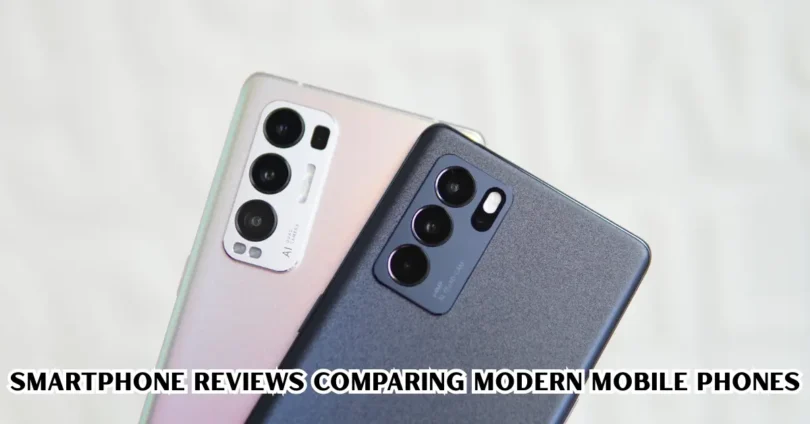

Smartphone Reviews help you understand whether a phone is actually worth buying beyond its specifications sheet. A useful review looks at performance, camera quality, battery life, display, software, design, durability, connectivity, and overall value.
This guide explains how to evaluate a smartphone before buying it, what specifications really matter, how to compare different models, and which common mistakes to avoid. Whether you are choosing a budget phone, flagship, gaming device, camera-focused smartphone, or everyday handset, these practical tips can help you make a more informed decision.
What Are Smartphone Reviews?
Smartphone reviews are detailed evaluations of a phone’s hardware, software, features, real-world performance, and overall value. Instead of simply listing specifications, a good review explains how those specifications affect everyday use.
For example, a phone may have a high-megapixel camera, but that number alone does not guarantee better photographs. Image processing, sensor size, stabilization, lens quality, lighting, and software all influence the final result.
A useful smartphone review should answer questions such as:
- How fast does the phone feel during everyday use?
- Is the camera reliable in different lighting conditions?
- How long does the battery last?
- Is the display good for videos, gaming, and reading?
- How long will the software remain supported?
- Is the phone comfortable to use?
- Does the price match its features and performance?
- Are there important compromises buyers should know about?
The goal is not simply to identify the phone with the biggest specifications. It is to determine whether a particular device fits a person’s needs and budget.
Why Smartphone Reviews Matter Before Buying
A specification sheet can tell you what a phone has, but it cannot always tell you how well those features work together.
Smartphone reviews provide practical context by examining the complete user experience. This is particularly useful when two phones have similar processors, RAM capacities, or camera specifications but behave differently in everyday use.
A detailed review can help you:
- Compare phones in the same price range
- Understand real-world performance
- Evaluate camera and video capabilities
- Check battery endurance and charging features
- Assess display quality
- Identify software advantages and limitations
- Understand build quality and ergonomics
- Determine long-term value
- Avoid paying for features you do not need
Reviews are especially valuable for expensive purchases because a phone can remain part of your daily routine for several years.
What Should You Look for in a Smartphone Review?
The most useful Smartphone Reviews cover several major categories instead of focusing on one specification.
Performance
Performance determines how smoothly a phone handles applications, multitasking, gaming, photography, and other demanding tasks.
The processor is important, but it is not the only factor. RAM, storage technology, software optimization, thermal management, and the phone’s operating system also affect performance.
For everyday users, a good smartphone should handle common tasks such as:
- Web browsing
- Messaging
- Social media
- Video streaming
- Photography
- Navigation
- Multitasking
Gaming users should pay more attention to sustained performance, graphics capability, cooling, display refresh rate, and battery behavior under heavy workloads.
A benchmark score can provide useful information, but real-world performance is often more meaningful than a single benchmark number.
Camera Quality
Camera specifications can be confusing because manufacturers often highlight megapixel counts, but image quality depends on several components.
A smartphone camera review should consider:
- Main camera quality
- Ultrawide camera performance
- Telephoto capabilities
- Front camera quality
- Low-light photography
- Portrait photography
- Autofocus
- Image stabilization
- Video recording
- Color processing
- Dynamic range
For example, a 50MP camera is not automatically better than a 12MP camera. Sensor characteristics, optics, image processing, and stabilization can have a major impact on the final image.
If photography is important to you, look for reviews containing real sample images and comparisons rather than relying only on camera specifications.
Display Quality
The display is one of the components you interact with most frequently, so it deserves careful attention.
Important display characteristics include:
- Screen size
- Resolution
- OLED or LCD technology
- Refresh rate
- Peak brightness
- Color accuracy
- HDR support
- Touch response
- Protection against scratches and impacts
An OLED display can provide deep blacks and strong contrast, while higher refresh rates can make scrolling and supported animations feel smoother.
Brightness is particularly important if you regularly use your phone outdoors. A display that looks excellent indoors may be harder to view under strong sunlight.
Display Size and Comfort
A larger screen can make videos, games, documents, and multitasking more comfortable. However, larger phones can also be heavier and more difficult to use with one hand.
The best size depends on how you use your phone.
Someone who frequently watches videos may prefer a larger display, while someone who values portability may prefer a smaller and lighter device.
Battery Life and Charging
Battery capacity is usually measured in milliamp-hours (mAh), but capacity alone does not determine battery life.
Battery endurance also depends on:
- Processor efficiency
- Display brightness
- Refresh rate
- Cellular connectivity
- Background applications
- Software optimization
- Camera usage
- Gaming
- Streaming habits
A good review should discuss how the phone performs during realistic daily use.
Charging speed is another consideration. Some smartphones support fast wired charging, while others also provide wireless charging or reverse wireless charging.
However, charging speed should not be considered in isolation. Battery endurance matters because a phone that lasts longer between charges may be more convenient than one that simply charges faster.
Software and Updates
Software has a major effect on the long-term smartphone experience.
When reviewing a phone, check:
- Operating system version
- Manufacturer’s software interface
- Security update policy
- Major operating system update policy
- Preinstalled applications
- Customization options
- Privacy controls
- Update frequency
Long-term software support can be particularly important when buying a premium smartphone because it can influence how useful the device remains over several years.
Buyers should check the manufacturer’s current official support information because update policies can vary by model, region, and product category.
Design and Build Quality
A smartphone can have excellent internal hardware and still be uncomfortable to use.
A review should consider:
- Weight
- Thickness
- Materials
- Button placement
- Camera bump
- Grip
- Fingerprint sensor or biometric authentication
- Water and dust resistance
- Overall ergonomics
Glass, metal, and high-quality polymers can each provide different advantages. The choice is often a balance between durability, weight, appearance, and manufacturing cost.
Water and dust resistance ratings can also provide useful information, but they should not be interpreted as a guarantee that a phone is safe in every environment.
Storage and RAM
Storage determines how much space is available for applications, photographs, videos, games, and documents.
Before buying, consider whether the phone provides enough storage for your usage.
A person who mainly uses messaging applications and cloud storage may need considerably less storage than someone who records large amounts of high-resolution video.
RAM helps applications remain available for multitasking, but more RAM does not automatically make every phone faster.
Instead of choosing a phone based only on RAM numbers, consider the complete combination of processor, memory management, software optimization, and storage technology.
Connectivity and Network Features
Modern smartphones can support a range of connectivity technologies.
Depending on the device and market, these may include:
- 4G LTE
- 5G
- Wi-Fi
- Bluetooth
- NFC
- GPS and other positioning systems
- USB connectivity
- Dual-SIM functionality
Before purchasing a phone, make sure its supported network bands and SIM configuration are compatible with your carrier and region.
This is particularly important when importing a smartphone from another country.
Smartphone Reviews for Different Types of Buyers
There is no single smartphone that is perfect for everyone. The right choice depends on what you expect from your device.
Best Phones for Everyday Use
Everyday users generally need reliable performance, good battery life, a quality display, dependable cameras, and comfortable software.
You may not need the most powerful processor or the most advanced camera system if your primary activities are messaging, browsing, streaming, social media, and photography.
Smartphones for Gaming
Gaming-focused buyers should pay attention to sustained performance rather than short benchmark bursts.
Important features include:
- Powerful processor and GPU
- Effective cooling
- High-refresh-rate display
- Fast touch response
- Good speakers
- Large battery
- Fast charging
- Sufficient storage
Thermal performance is particularly important because sustained gaming can generate significant heat and reduce performance.
Smartphones for Photography
Photography-focused users should examine camera performance across different conditions rather than judging a phone by megapixel count.
Look for:
- Strong main-camera performance
- Reliable autofocus
- Good dynamic range
- Natural or desirable color processing
- Night photography capability
- Useful zoom
- Stable video recording
- Consistent results between cameras
Camera samples are more informative than specifications alone.
Smartphones for Business and Productivity
For productivity, screen quality, battery endurance, software features, connectivity, storage, and multitasking capabilities can matter more than gaming performance.
A large, readable display and reliable battery may be more useful to a professional than a high-end graphics processor.
How to Compare Two Smartphones
When comparing two devices, avoid looking at specifications individually. Instead, compare the areas that matter to your specific usage.
| Feature | What to Consider |
| Processor | Everyday speed, gaming and sustained performance |
| Display | Brightness, panel type, resolution and refresh rate |
| Camera | Image quality, video, low-light and stabilization |
| Battery | Endurance, capacity and charging |
| Software | User interface, features and update support |
| Storage | Available capacity and storage technology |
| Design | Weight, materials and ergonomics |
| Connectivity | 5G, Wi-Fi, Bluetooth, NFC and SIM support |
| Durability | Protection and water/dust resistance |
| Price | Features and performance relative to alternatives |
The most expensive phone is not automatically the best choice for every buyer. Value depends on the combination of features, performance, software support, and price.
How to Read Smartphone Specifications
Specifications are useful, but they need context.
Processor
Look at the processor generation, CPU and GPU capabilities, efficiency, and real-world performance.
RAM
RAM affects multitasking, but the amount you need depends on your applications and operating system.
Storage
More storage is useful if you keep many photos, videos, games, or large applications locally.
Camera Megapixels
Megapixels describe image resolution but do not independently determine overall camera quality.
Battery Capacity
mAh indicates battery capacity, but actual endurance depends on hardware and usage.
Refresh Rate
A higher refresh rate can make supported content and interactions appear smoother, although it may also affect power consumption depending on the device and implementation.
How to Choose the Right Smartphone
Follow these steps before making a purchase.
1. Set Your Budget
Decide how much you are comfortable spending before comparing individual models.
2. Identify Your Priorities
Choose the features that matter most to you.
For example:
- Camera
- Gaming
- Battery life
- Display
- Compact design
- Software updates
- Productivity
- Storage
3. Shortlist Several Phones
Do not immediately choose the first phone that looks attractive. Compare several models within your budget.
4. Read Detailed Reviews
Look beyond specifications and marketing material. Examine real-world testing, camera samples, battery results, software experience, and long-term considerations.
5. Check Regional Compatibility
Verify network support, warranty availability, SIM configuration, charging standards, and software features in your region.
6. Consider Long-Term Value
A phone with slightly better hardware may not provide better value if another model offers longer software support, better battery life, or a more suitable feature set.
Common Smartphone Buying Mistakes
Even experienced buyers can overlook important details.
Choosing Based Only on Specifications
A higher number does not always mean a better experience. Camera megapixels, RAM, charging speed, or processor clock speeds should be evaluated in context.
Ignoring Software Support
A phone can have excellent hardware but become less attractive if its software support is limited.
Focusing Only on the Camera
Camera quality matters, but buying a phone solely for one feature can mean overlooking battery life, software, ergonomics, performance, or connectivity.
Buying More Storage Than Necessary
Extra storage can be useful, but if you primarily use cloud storage and do not keep many large files locally, paying substantially more for storage may not be necessary.
Ignoring Size and Weight
A large phone may offer a beautiful display but become uncomfortable if you prefer one-handed use.
Trusting Every Online Review
Reviews can differ because testing methods, software versions, regional variants, and personal priorities are not always the same.
Look for transparent testing and multiple perspectives when making an expensive purchase.
Tips for Getting More Value From a Smartphone
You can improve the overall ownership experience by paying attention to more than the initial purchase price.
- Check the manufacturer’s software-support policy.
- Compare warranty terms in your region.
- Check replacement accessory availability.
- Consider storage requirements before buying.
- Use a protective case if appropriate.
- Keep the operating system and applications updated.
- Avoid unnecessary background applications.
- Compare charging accessories and compatibility.
- Check whether important features work with your local network.
The best purchase is often the phone that meets your actual requirements without making you pay for features you will rarely use.
What Makes a Smartphone Review Trustworthy?
A trustworthy review separates measurable information from personal preference.
Strong Smartphone Reviews should explain:
- Which device and configuration were tested
- What software version was used when relevant
- How performance was evaluated
- How cameras were tested
- How battery life was assessed
- Which features worked well
- Which limitations were discovered
- Who the phone is suitable for
- Which type of buyer may want to consider alternatives
A balanced review should acknowledge both strengths and weaknesses instead of treating every phone as either perfect or terrible.
If you are comparing different smartphones, check their performance, camera quality, battery life, display, and software support before making a decision. You can also visit GSMArena for detailed smartphone specifications and technical information.
Frequently Asked Questions
What should I look for in smartphone reviews?
Look for reviews that cover performance, camera quality, battery life, display, software, build quality, connectivity, and long-term value. Real-world testing is particularly useful because specifications alone cannot fully describe the user experience. Also consider whether the review’s priorities match your own needs, such as gaming, photography, productivity, or everyday use.
Smartphone Reviews help you choose the right phone by comparing features, prices, and performance. Detailed Smartphone Reviews cover camera quality, battery life, display, design, and overall performance. By reading Smartphone Reviews, you can compare the latest devices and find reliable Smartphone Reviews based on your needs. Our Smartphone Reviews provide useful insights before you buy, making Smartphone Reviews an important resource for every smartphone buyer. Explore trusted Smartphone Reviews to discover the best options and make smarter decisions with comprehensive Smartphone Reviews.
Are smartphone specifications more important than reviews?
Specifications provide useful technical information, but they do not tell the entire story. Two phones with similar specifications can deliver different experiences because of software optimization, thermal management, camera processing, display tuning, and battery efficiency. A detailed review adds real-world context that helps you understand what those specifications actually mean.
Smartphone Reviews help you choose the right phone by comparing features, prices, and performance. Detailed Smartphone Reviews cover camera quality, battery life, display, design, and overall performance. By reading Smartphone Reviews, you can compare the latest devices and find reliable Smartphone Reviews based on your needs. Our Smartphone Reviews provide useful insights before you buy, making Smartphone Reviews an important resource for every smartphone buyer. Explore trusted Smartphone Reviews to discover the best options and make smarter decisions with comprehensive Smartphone Reviews.
How important is the smartphone camera megapixel count?
Megapixel count is only one part of camera performance. Sensor characteristics, lens quality, stabilization, autofocus, image processing, dynamic range, and lighting conditions can all affect photographs. A higher megapixel number does not automatically mean better images. Camera samples and detailed testing are generally more useful when comparing smartphone cameras.
Smartphone Reviews help you choose the right phone by comparing features, prices, and performance. Detailed Smartphone Reviews cover camera quality, battery life, display, design, and overall performance. By reading Smartphone Reviews, you can compare the latest devices and find reliable Smartphone Reviews based on your needs. Our Smartphone Reviews provide useful insights before you buy, making Smartphone Reviews an important resource for every smartphone buyer. Explore trusted Smartphone Reviews to discover the best options and make smarter decisions with comprehensive Smartphone Reviews.
How long should a smartphone last?
The useful life of a smartphone depends on hardware durability, battery condition, software support, performance requirements, and personal usage. A phone may remain physically functional for several years, but software support and battery degradation can affect the experience over time. Checking the manufacturer’s update policy and warranty information can help with long-term planning.
Should I buy the newest smartphone?
Not necessarily. A newer model can offer improvements in performance, cameras, battery efficiency, software, or connectivity, but the previous generation may already meet your needs. Compare the differences that matter to you with the price difference. If the newer features do not provide meaningful benefits for your usage, an older model may still be worth considering.
Conclusion
Smartphone Reviews are most useful when they go beyond specifications and explain how a device performs in real-world situations. Performance, cameras, battery life, display quality, software support, design, connectivity, and price all contribute to the overall experience.
Before buying a phone, define your budget, identify your priorities, compare several models, and read reviews that provide practical testing rather than relying only on marketing claims.
Your next step: shortlist two or three smartphones within your budget and compare their camera performance, battery life, software support, display, and overall value based on how you actually use your phone